
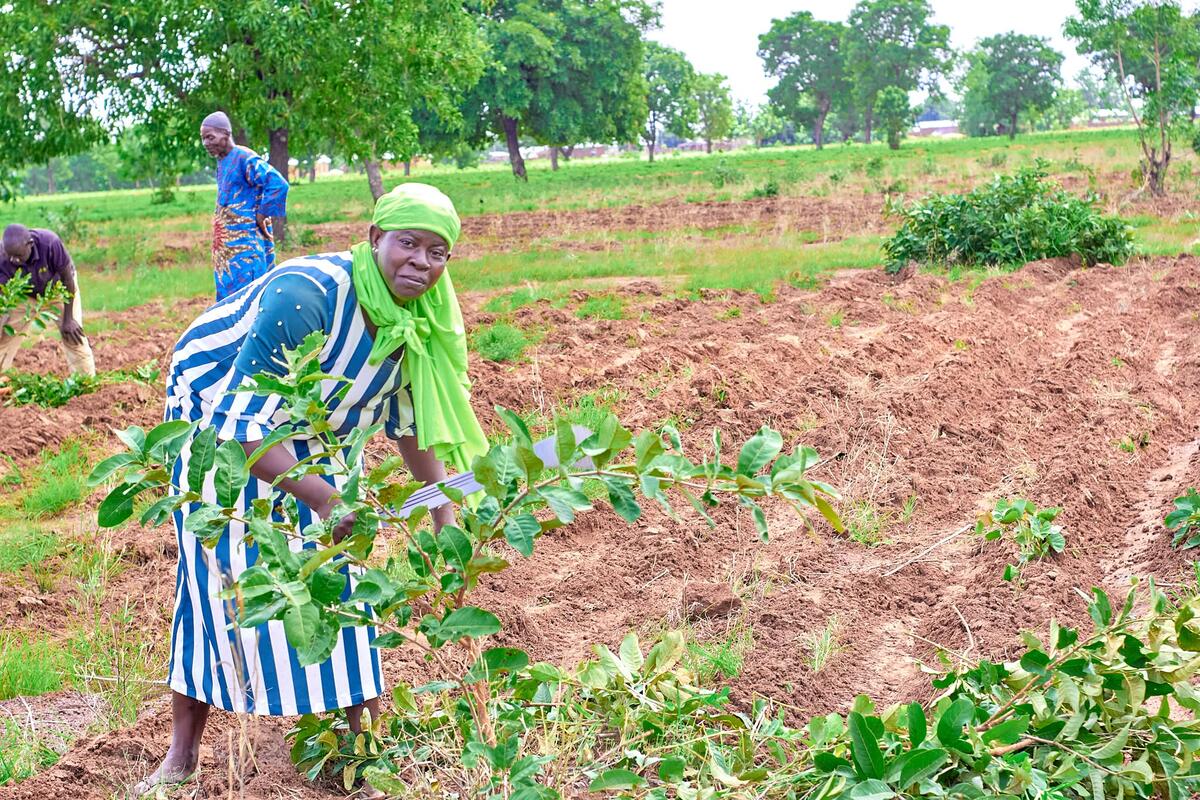
Trees are essential for healthy communities. They protect our environment, improve soil fertility, provide food and medicine, and help farmers adapt to the growing impacts of climate change.
Through the Strengthening Smallholder Farmers' Resilience Towards a Changing Climate and the Promotion of Environmentally Friendly Agriculture (SCRAS) Project, NABOCADO is supporting farming communities to integrate trees in their farms by increasing and restoring the productivity of indigenous tree species through natural regeneration and rejuvenation practices.
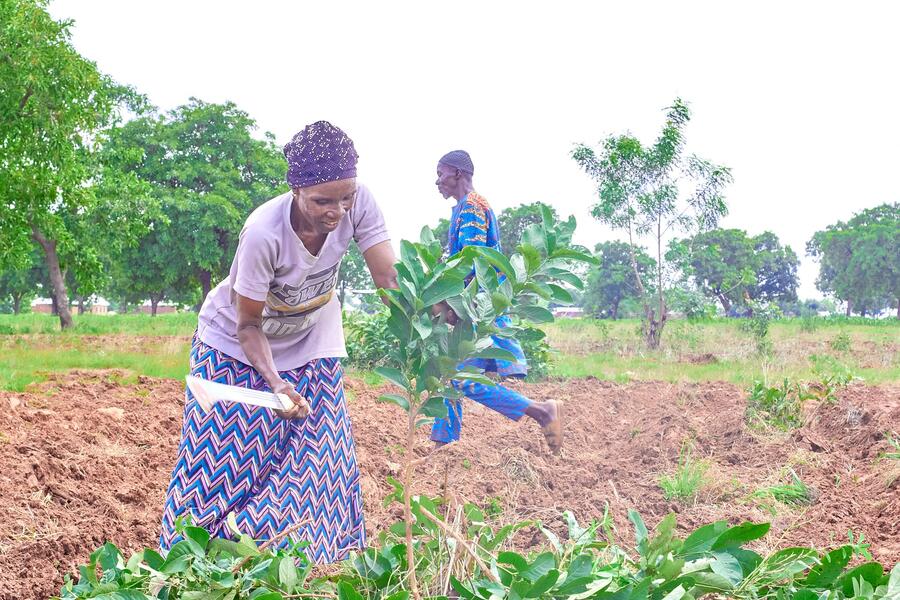
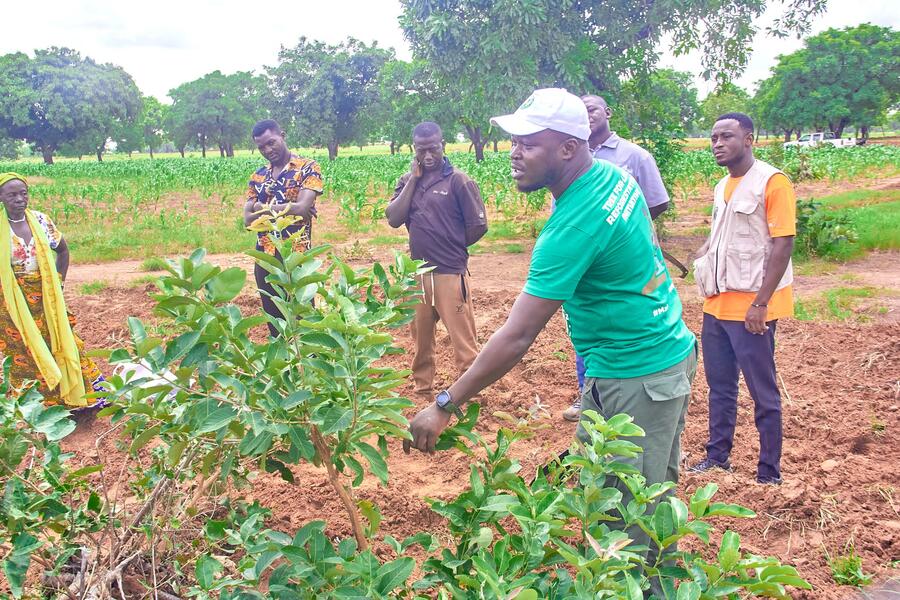
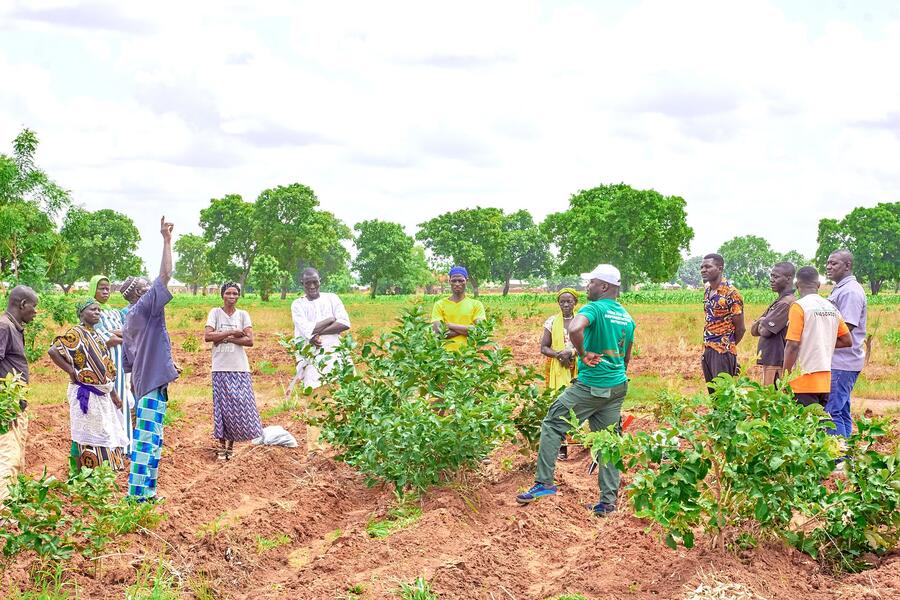
With technical guidance from district Forestry Commission Ghana officers, farmers in the Nayorko and Gaagbini communities in the West Mamprusi district took their turn to learn how to identify naturally regenerating tree species, remove competing shoots, prune dead or excess branches, and revive aging or unproductive trees to improve their growth and productivity.
These practical climate-smart interventions form part of the Community Climate Adaptation Action Plans (CAAPs) developed and implemented by project communities with support from NABOCADO. By restoring indigenous trees, communities are protecting biodiversity, strengthening ecosystem services, and building more resilient farming systems for future generations.
The SCRAS Project, funded by Misereor with co-funding support from the Catholic Diocese of Bistum Münster, Germany, supports the communities with tools to communally take such actions after the trainings.
Originally posted on NABOCADO's Facebook and LinkedIn pages.