1906
The missionaries arrive
The Missionaries of Africa (White Fathers) arrive in Navrongo from present-day Burkina Faso and begin the Church’s work in northern Ghana.

NABOCADO is the development organisation of the Catholic Diocese of Navrongo-Bolgatanga. It began in 1981 as the Diocesan Development Office, the projects office of the Diocese, and has grown with the communities it serves: from tree planting in Bongo and village dams to health care, farmer training, peacebuilding and humanitarian response across the Upper East and North East regions.
The Missionaries of Africa (White Fathers) arrive in Navrongo from present-day Burkina Faso and begin the Church’s work in northern Ghana.
The Diocese of Navrongo is erected in 1956 and takes the name Navrongo-Bolgatanga in 1977.
Under Bishop Rudolph Akanlu, the Diocese brings its development work together in a separate agency: the Diocesan Development Office (DDO), the projects office of the Diocese and the beginning of NABOCADO. MISEREOR of Germany supports the building of the new office.
The Diocese begins its long partnership with the Diocese of Münster in Germany, a link that still supports agriculture and rural development today.
A centre at Bongo Anafubisi is set up to promote agroforestry in the Bongo area. From 1987, with a Swiss volunteer, eight local farmers and the support of Caritas Switzerland, the work grows into the Bongo Agro-Forestry Programme, today’s NABOCADO Bongo Centre.
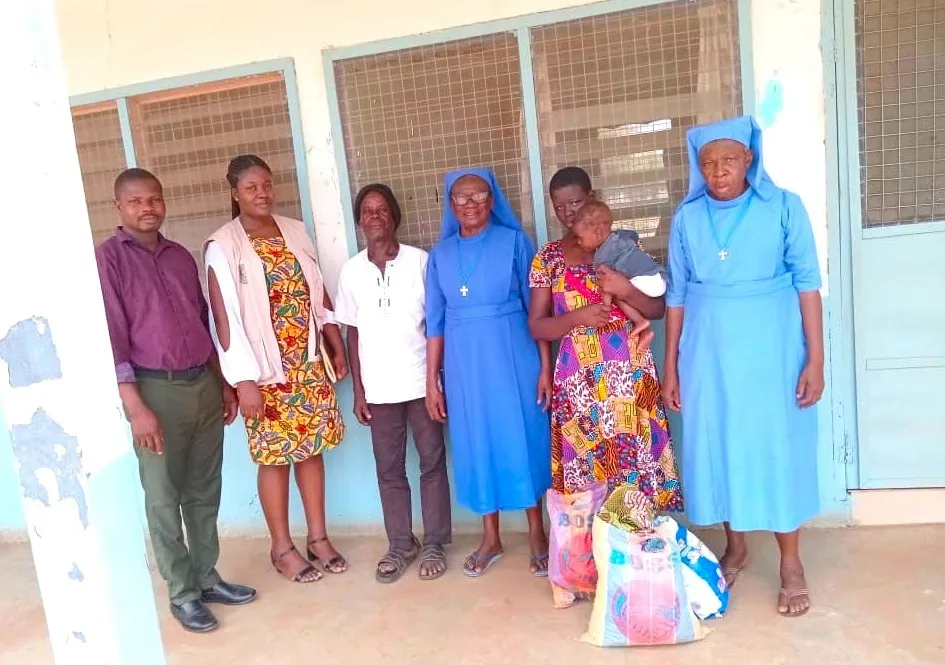
The Mother of Mercy Babies Home in Sirigu begins caring for abandoned and orphaned babies. It is one of NABOCADO’s institutions today.
The Development Office is restructured, and the Diocesan Health Office, until then separate, comes under it. The Dutch agency Cebemo (later Cordaid) becomes its lead partner in northern Ghana.
Bishop Lucas Abadamloora leads the Diocese from 1994. Cordaid begins supporting the Bongo Agro-Forestry Programme, which the Development Office now runs.
After a health needs assessment, the Diocese carries out a three-year Health Development Plan, building up its health centres, several of which began as mobile clinics.
The Integrated Village Development Programme (IVIDEP), supported by the Felix Foundation of Belgium, builds dams for irrigation, provides microfinance to women and strengthens farmers’ skills.
A Gender and Development programme begins, first with MISEREOR and then Cordaid support, with a dedicated Women and Development coordinator from 1999.
Demand from IVIDEP communities for farmer schools leads to the Farmer Training Centre at Pusu-Namongo, still the base of much of NABOCADO’s field work.
By 2002 the Development Office works across agriculture and agroforestry, health, gender, water and HIV/AIDS awareness, with partners such as Cordaid, MISEREOR and Catholic Relief Services.
Through its Rural Water, Sanitation and Hygiene Project, supported by the Dutch agency SIMAVI, the Development Office drills 13 boreholes in the Kassena-Nankana West and Bunkpurugu-Yunyoo districts. Joseph Ayembilla, then Acting Coordinator, leads the office while Msgr Thomas Anamooh administers the Diocese between bishops.
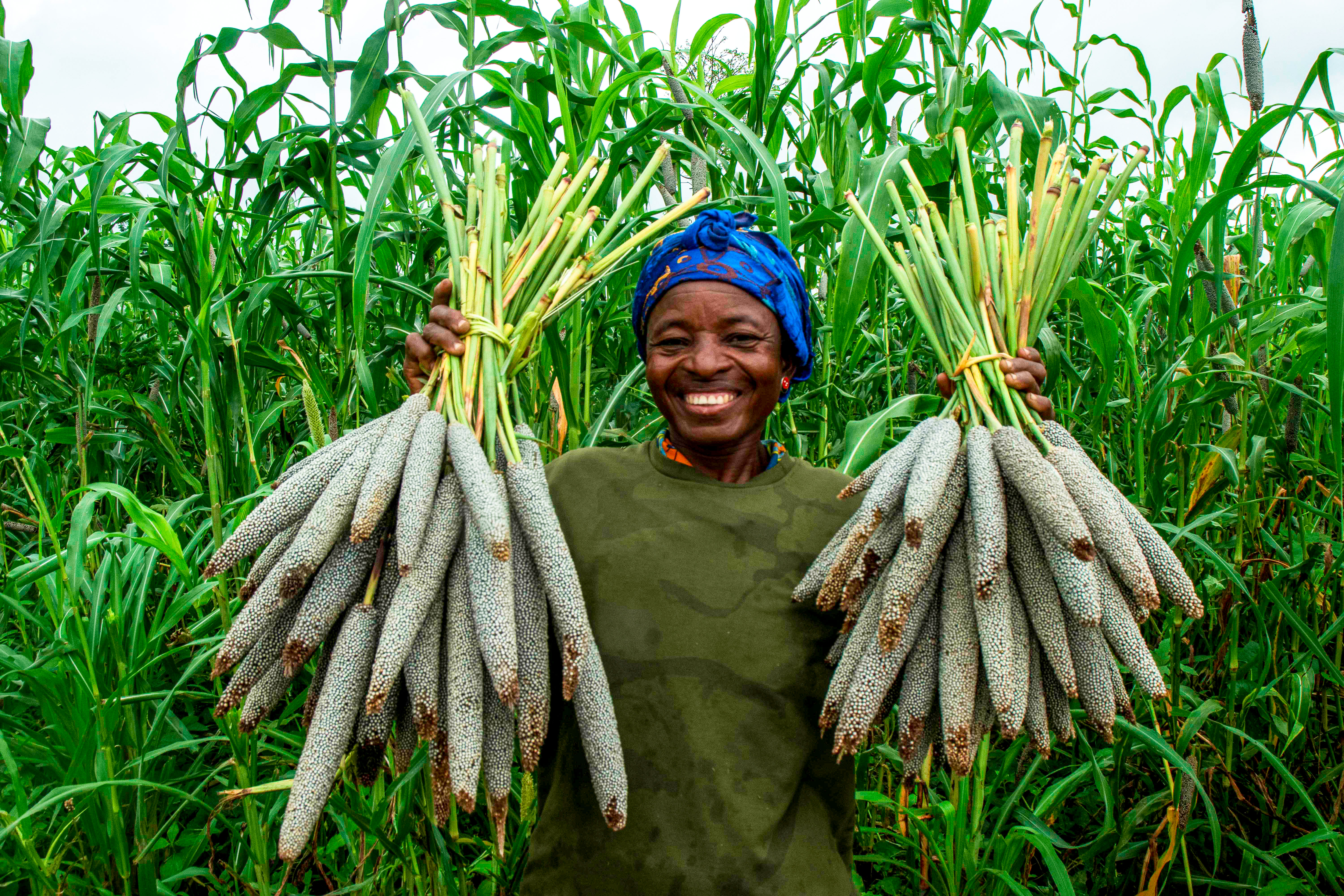
Most Rev. Alfred Agyenta is ordained Bishop of Navrongo-Bolgatanga in June 2011. Born in Wiaga on 20 January 1959, he was ordained a priest of the Diocese in 1988, studied at the Biblicum in Rome, trained priests at St Victor’s Major Seminary and earned his doctorate in Belgium before Pope Benedict XVI appointed him bishop. The same year, a MISEREOR-supported programme on farmers’ resilience to a changing climate begins; its later phases continue today as the SCRAS project.
A second restructuring accompanies the Diocese’s 2012–2017 strategic plan, leading to a common financial management and accounting manual for the pastoral and development wings of the Diocese.
As land and chieftaincy conflicts and climate pressures grow, a dedicated Directorate of Good Governance, Justice and Peace is set up to lead conflict prevention, mediation and reconciliation. Human development now runs through health, livelihood and advocacy, education, and justice and peace, under a Human Development Coordinator.
With Kindermissionswerk of Germany, the diocesan health sector pilots a school health programme in 2014–2015 in 32 and then 50 schools. By 2017 its third phase reaches 118 Catholic schools: more than 23,000 pupils are screened and toilets and hand-washing facilities are built.
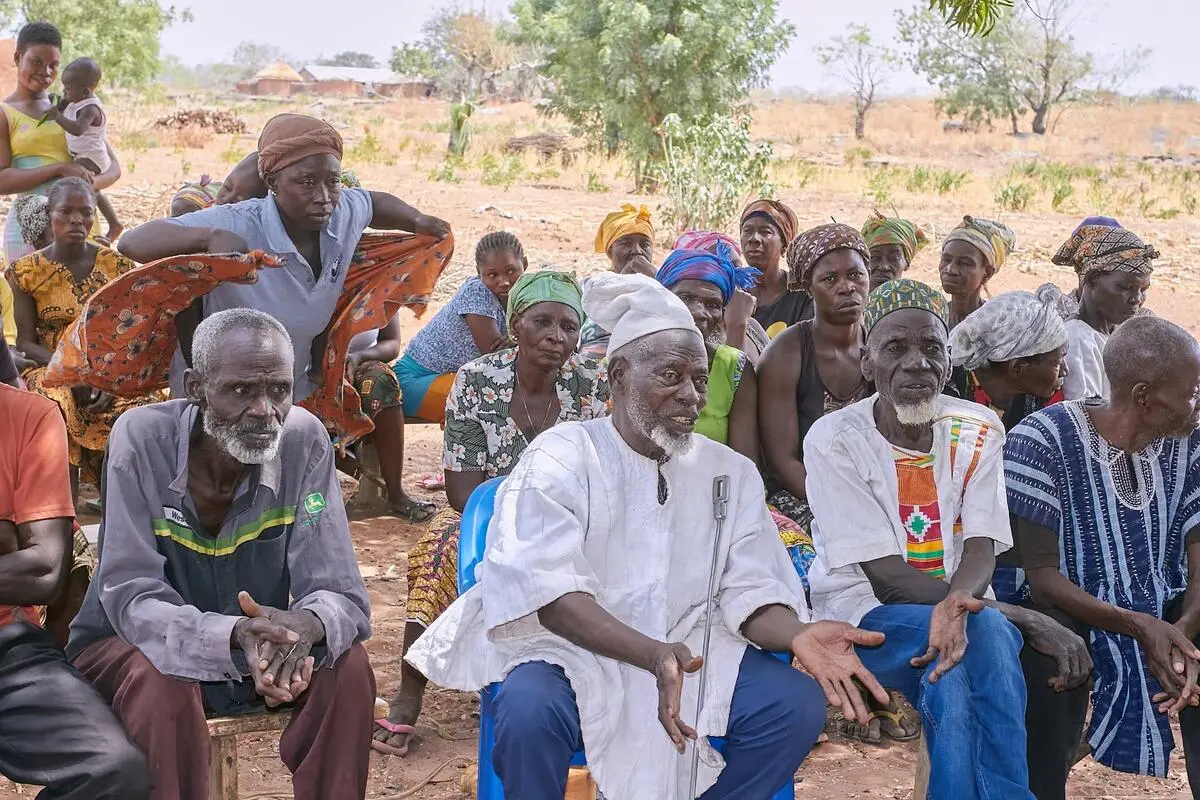
With MISEREOR support, the INPEACE peacebuilding project begins, investing in community-owned peace structures: Justice and Peace Committees, interfaith advocacy platforms and School Peace Clubs.
On 14 March 2018 the Development Office is registered with the Registrar-General as the Navrongo-Bolgatanga Catholic Diocesan Development Organisation (NABOCADO), a faith-based non-profit company limited by guarantee. The same year a youth skills and enterprise project begins with Catholic Mission Australia, and in December the Diocese launches a five-year Strategic Plan and Development Policy for all its parishes.
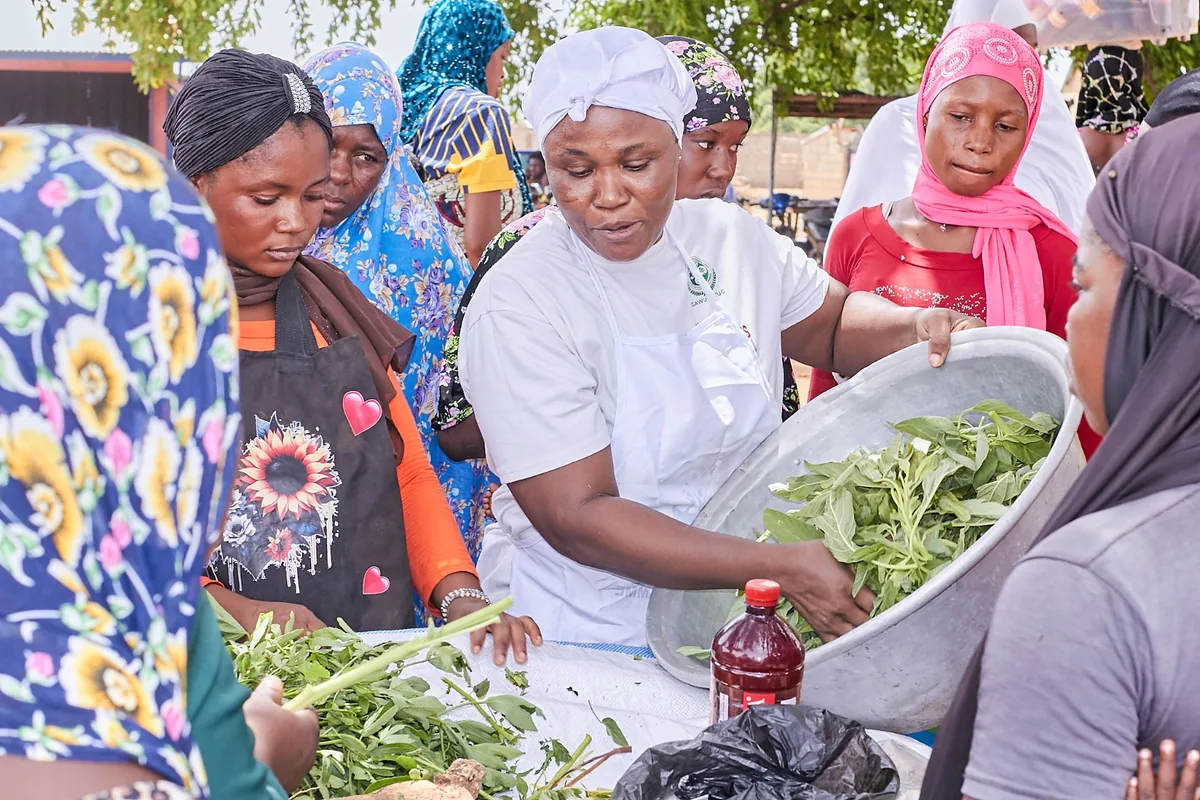
The arrival of asylum seekers from Burkina Faso marks a turning point, adding humanitarian response to NABOCADO’s peacebuilding mandate.
NABOCADO provides protection support to more than 19,000 people affected by floods, and Caritas Ghana and the Ghana Catholic Bishops’ Conference send relief items for families across the Diocese.
NABOCADO provides shelter support to people displaced by the conflict in Doba and Kandiga.
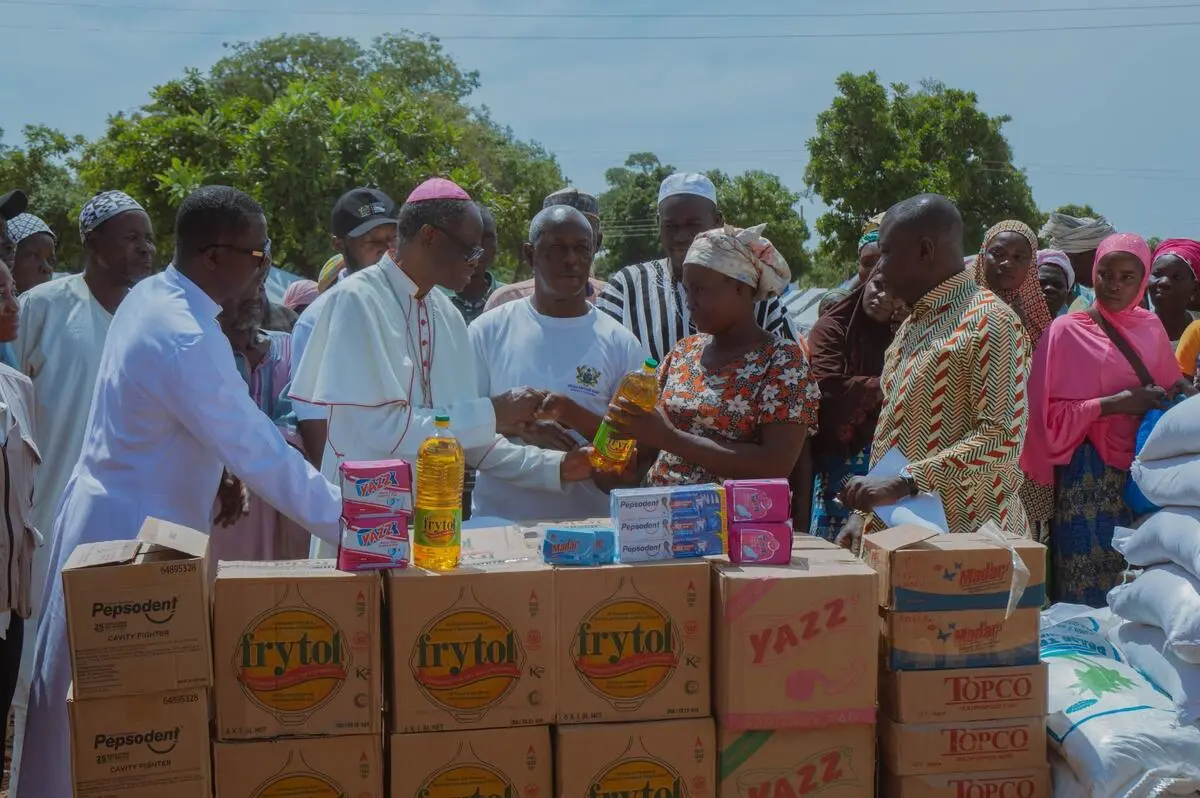
With UNHCR and Caritas Ghana, NABOCADO delivers integrated humanitarian services to more than 8,000 asylum seekers.
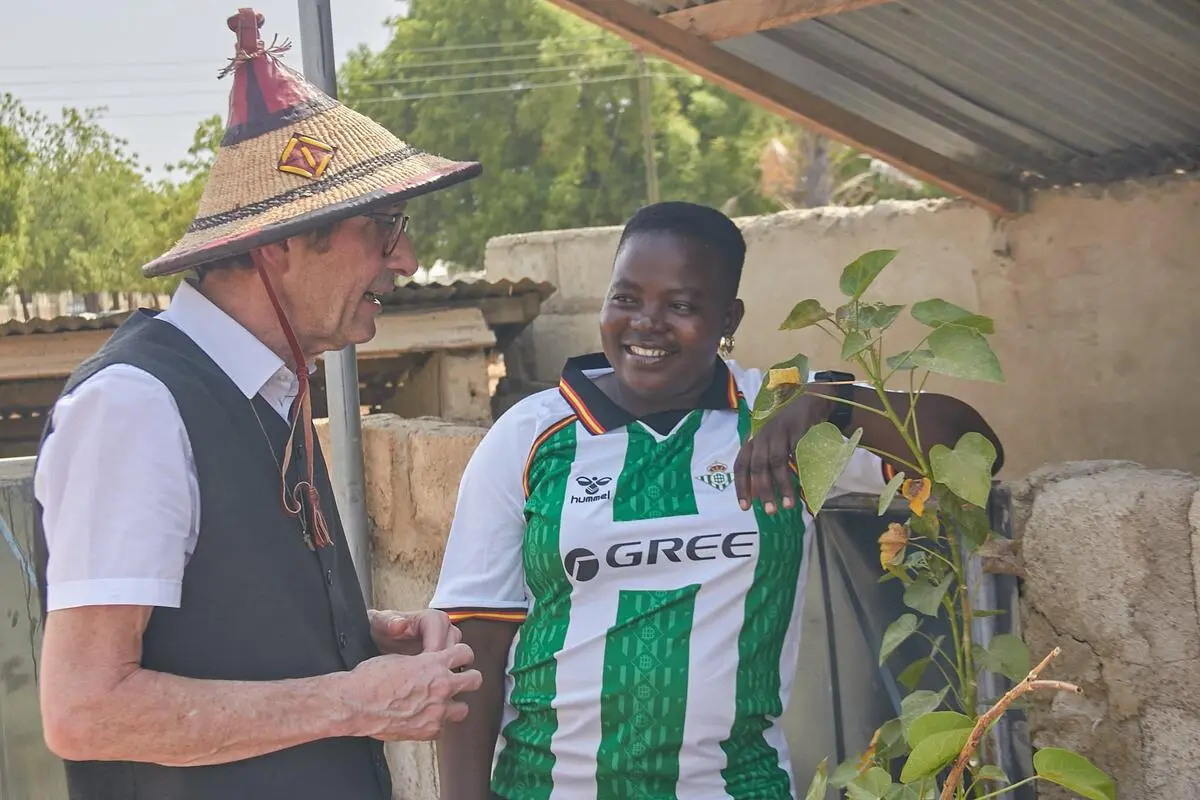
With the Catholic Rural Movement (KLB) of Germany and Caritas Uganda, NABOCADO opens the Institute for Sustainable Farming at Pusu-Namongo to train young people in farming as a business.
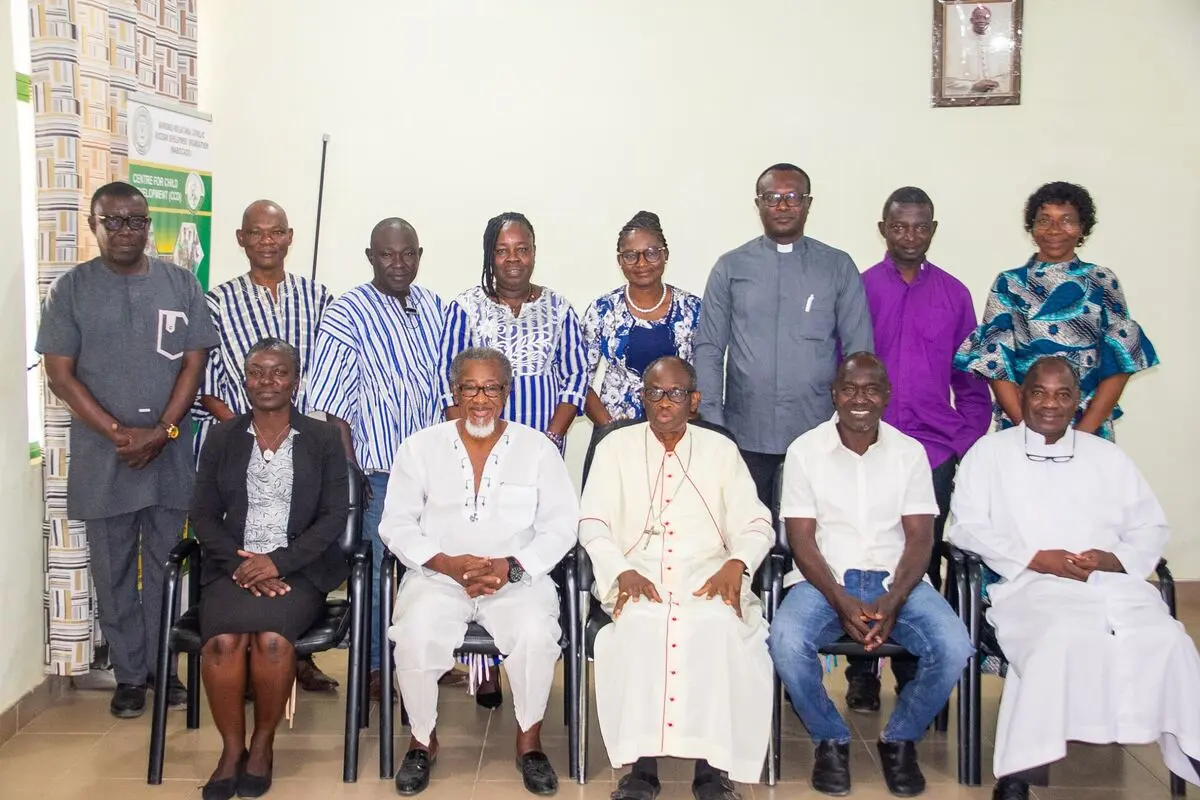
Dr. Joseph Bangu succeeds Dr. Joseph Ayembilla, who retired in April 2025 after serving the organisation since the 1990s. In December, Bishop Agyenta inaugurates a new 11-member Governing Board, and the Strategic Plan 2025–2029 guides the work ahead.
Our Vision
An empowered society living dignified lives in harmony with nature in accordance with the social teaching of the Catholic Church.
Our Mission
NABOCADO exists to promote equitable access to social services, humanitarian emergency relief, climate justice, peacebuilding and good governance for improved wellbeing of peoples.
For more than four decades, partners have made this work possible. Join us in serving the poor and vulnerable of the Navrongo-Bolgatanga Diocese.