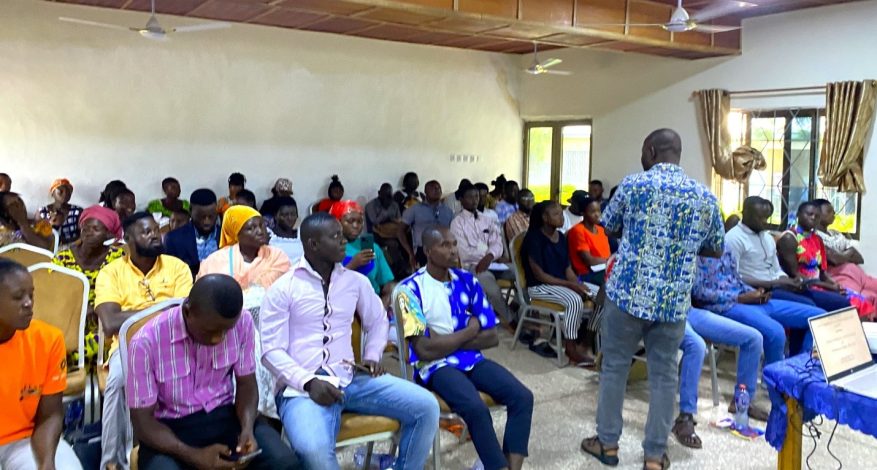
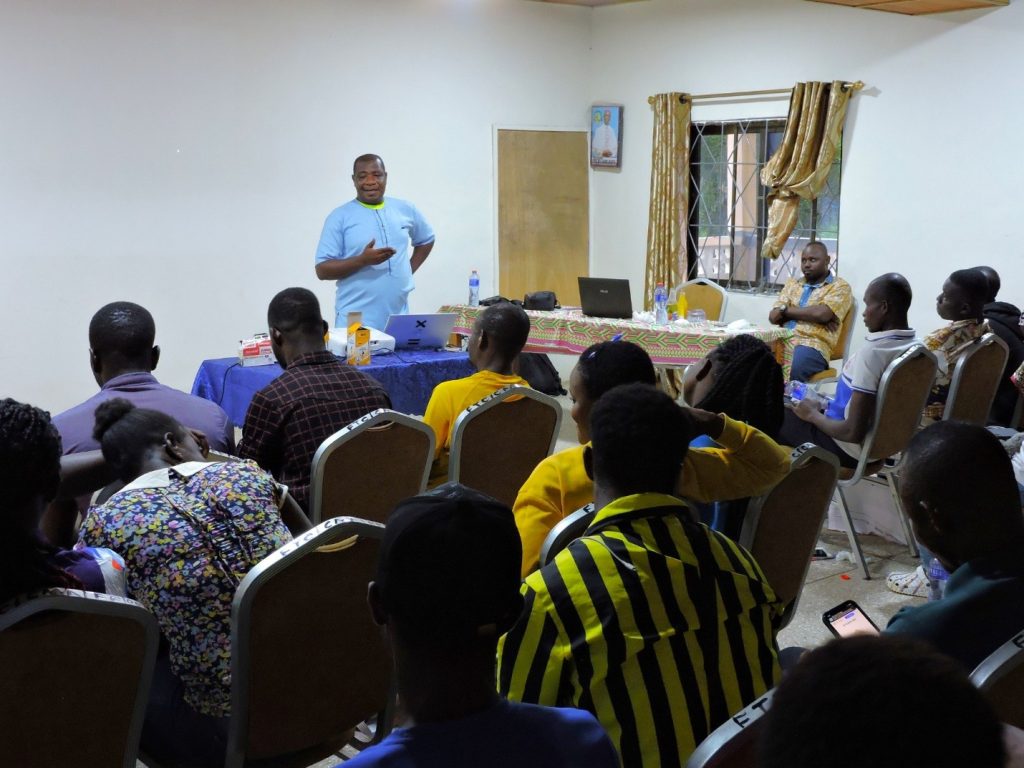
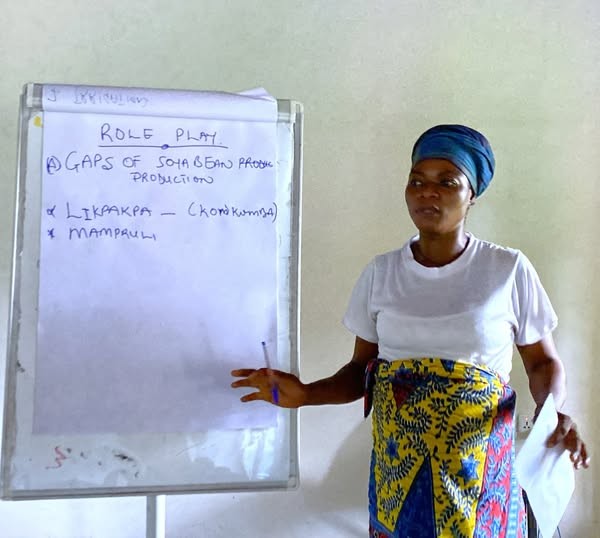
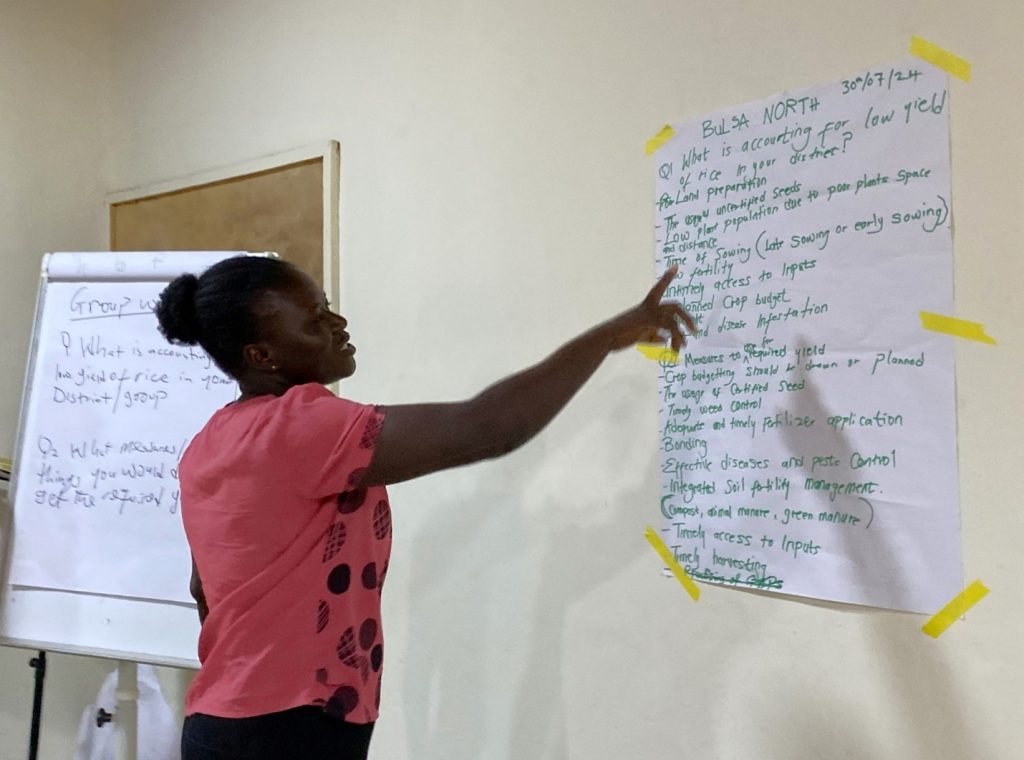
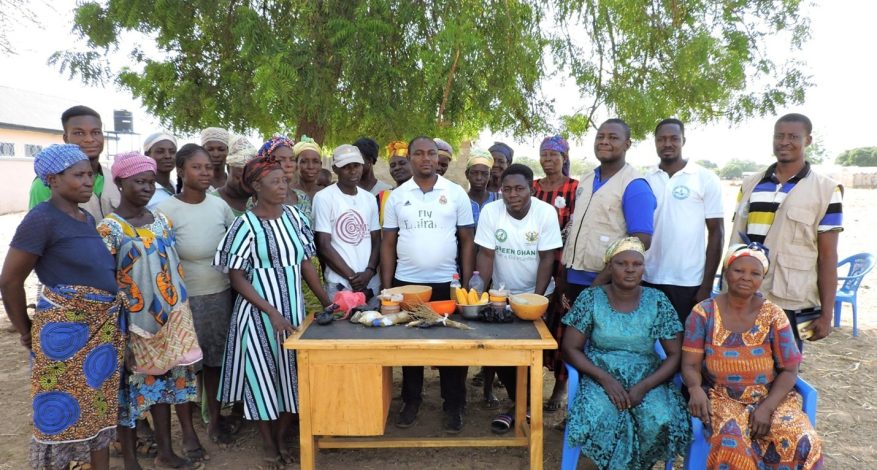
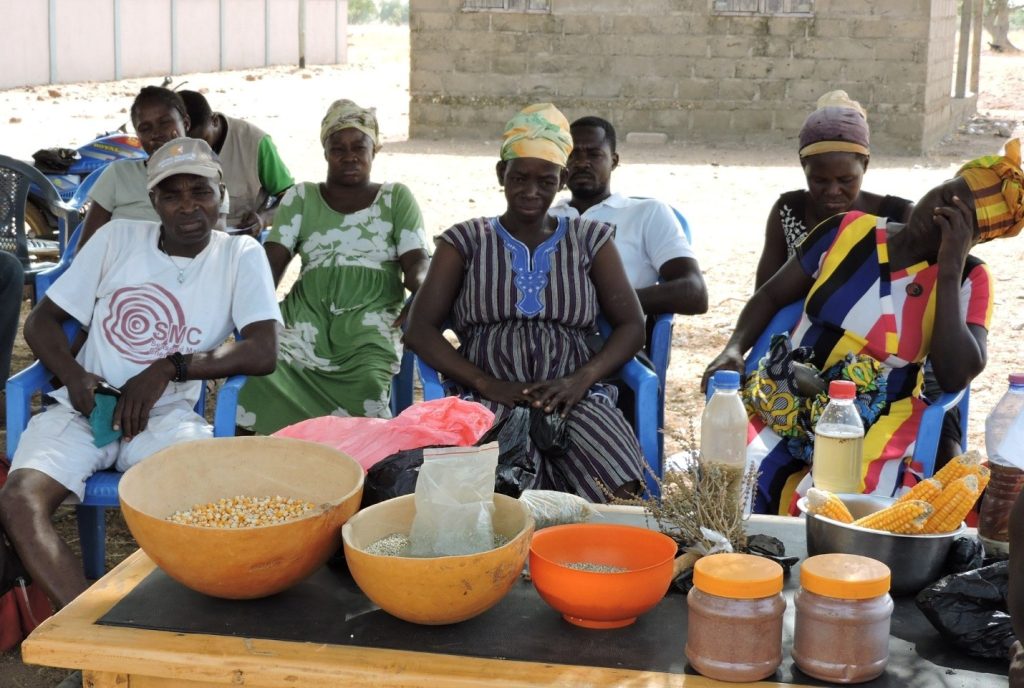
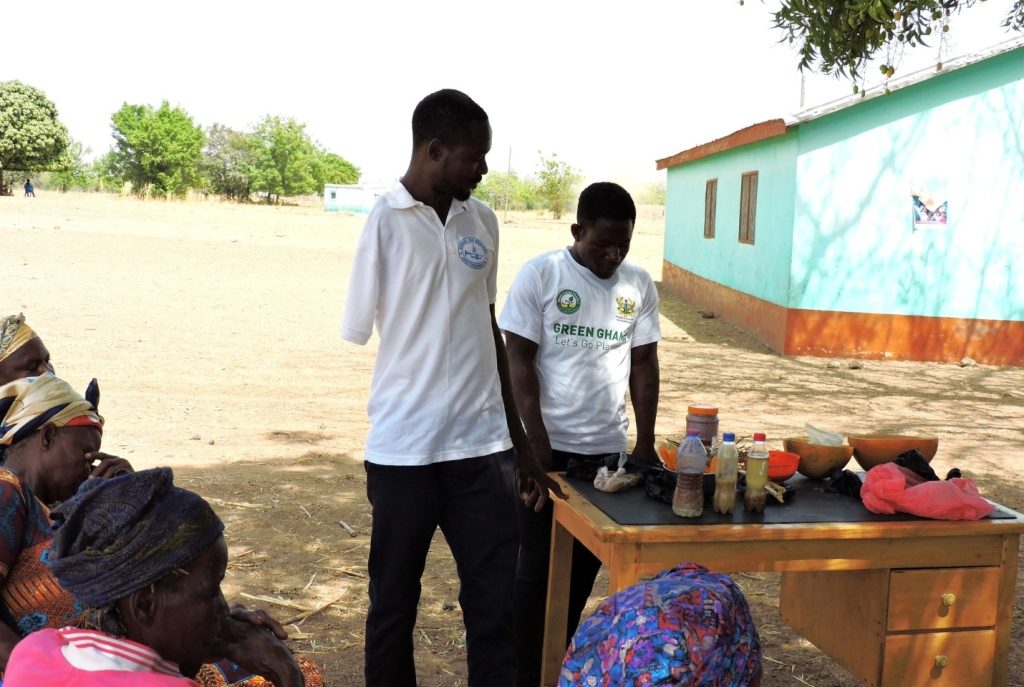
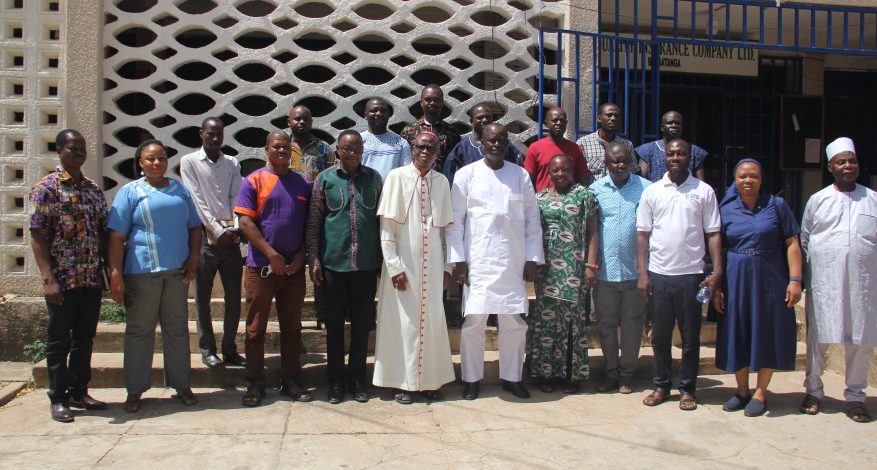
This week, NABOCADO, in collaboration with CRS Ghana, is hosting a 5-day workshop to train 110 youth farmers and Agricultural Extension Agents from the Upper East and North-East regions.
The training is held under the Harnessing Agricultural Productivity and Prosperity for Youth, #happyproject where NABOCADO’s Livelihood and Advocacy Directorate serves as a local implementing partner with CRS Ghana.
As the farming season reaches its peak, our goal is to equip these participants with essential knowledge on good agronomy practices to boost their production and productivity in the Rice and Soybean value chain.
The HAPPY Project, an initiative of the MasterCard Foundation in partnership with Agri-Impact Limited and other partners aims to create over 326,000 dignifying and fulfilling jobs for youth with special attention to women and people with disabilities.
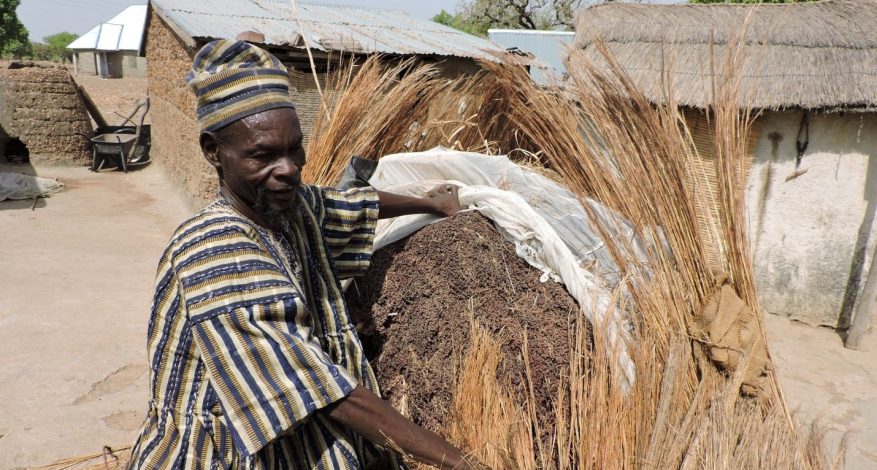
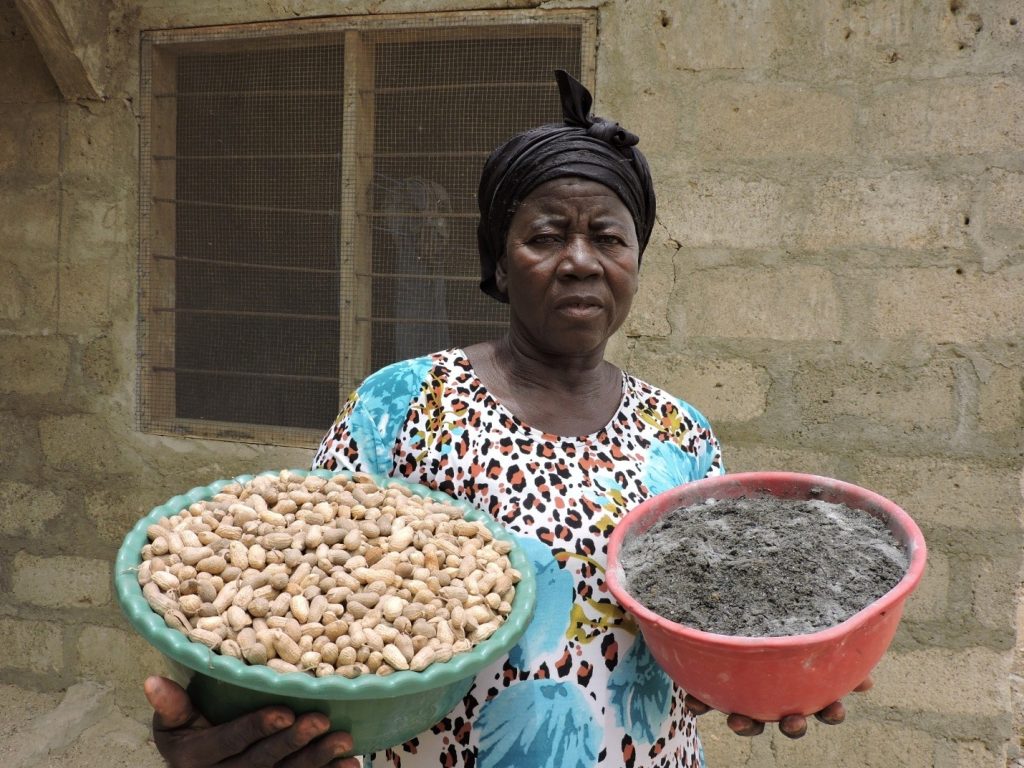
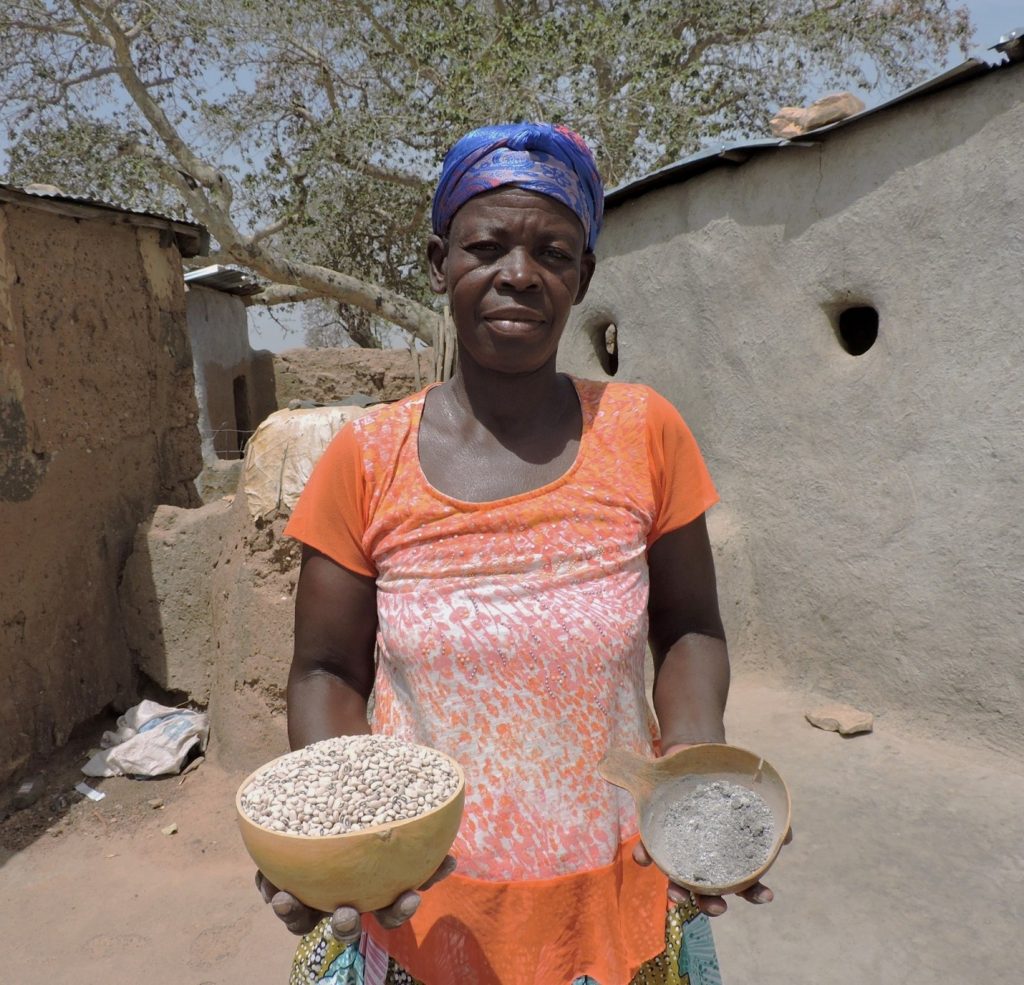
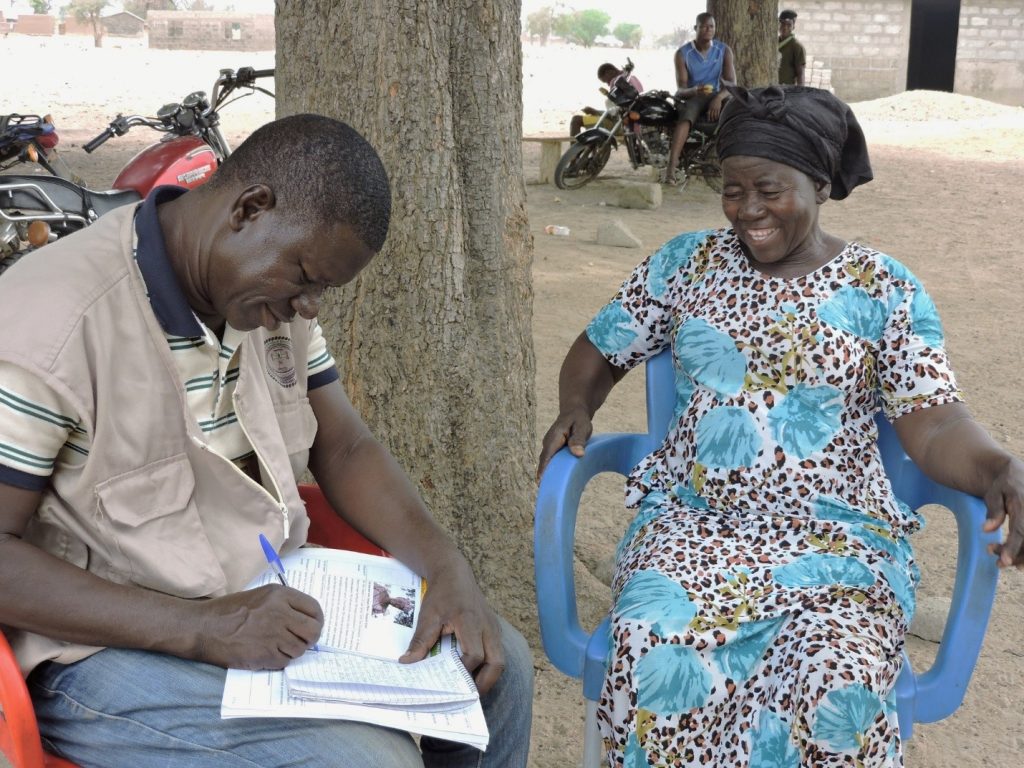
Livelihood and Advocacy Directorate of NABOCADO is currently collaborating closely with communities to document validated Local Innovations introduced by farmers in their food production, storage, and livestock management. This initiative follows a series of successful activities aimed at enhancing farmers’ capacity to innovate using local resources to address challenges and seize opportunities. The process of developing local innovations for widespread adoption includes identifying and validating innovations, conducting Participatory Innovation Development (PID) sessions, showcasing innovations at community and district level fairs and exhibitions, documenting innovations and their processes for sharing and further development.
The Diocesan Livelihood and Advocacy Directorate is currently documenting these developed innovations for scaling up and out in partnership with organizations such as the Department of Agriculture and the Forestry Commission. Promoting local innovation is a key strategy of NABOCADO as an alternative to excessive reliance on agro-chemicals by farmers.
These activities are part of our ongoing efforts to promote Sustainable Agriculture Practices among smallholder farmers in the Diocese, encompassing both farming and livestock management. This aligns with the key objective of the Strengthening of Smallholder Farmers’ Resilience towards a Changing Climate and Promotion of Environmentally Friendly Agriculture in the Diocese of Navrongo-Bolgatanga (SCRAS) project funded by Misereor.
The Livelihood and Advocacy Directorate recently hosted a Local Innovation Fair in the Builsa South District to highlight the innovative practices of smallholder farmers in promoting sustainable farming and livestock keeping.
Under the SCRAS Project funded by Misereor, farmers showcased 10 indigenous farming innovations aimed at improving food security and nutrition diversity, as well as enhancing resilience to climate change. Our Climate Officer spearheaded the bi-annual event, which brought together 4 communities for knowledge sharing and potential up-scaling of these innovative practices. This event is just one of the many activities aimed at achieving our project goal of supporting rural households in the diocese. #SustainableFarming #ClimateResilience #InnovationFair
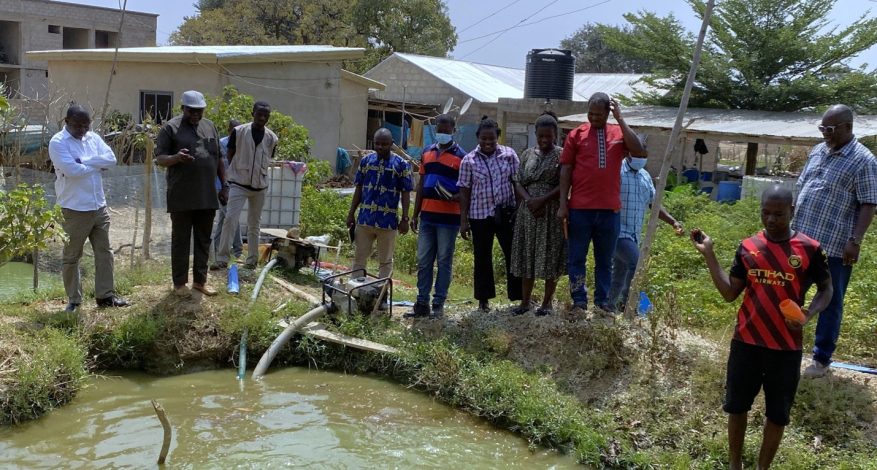
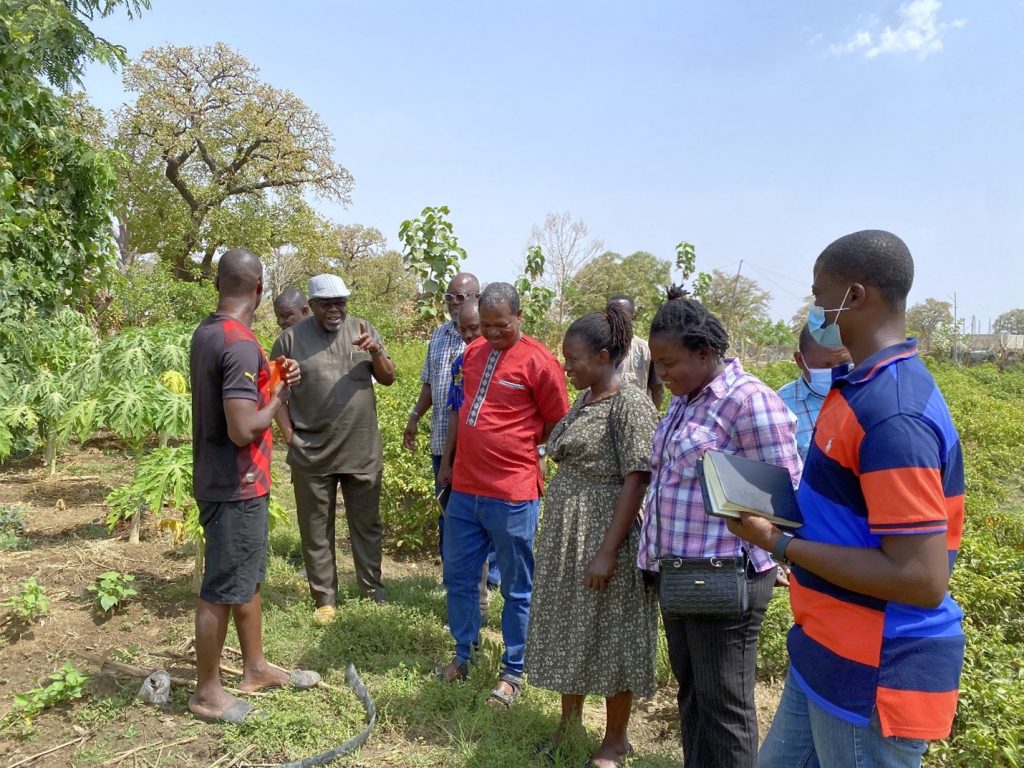
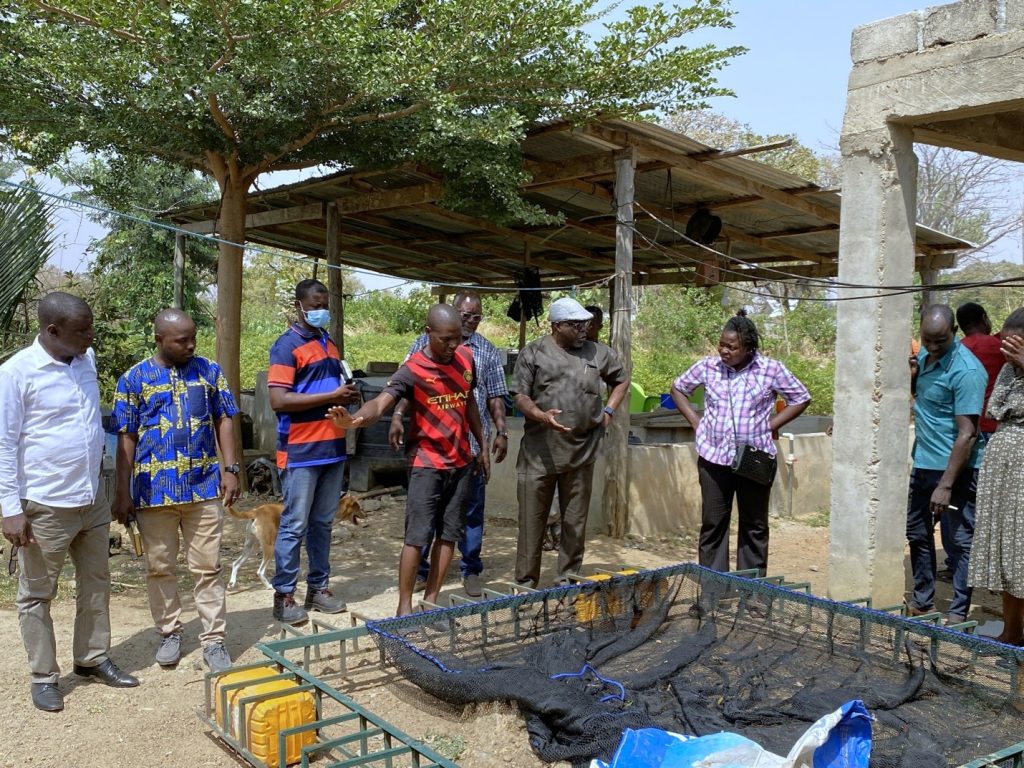
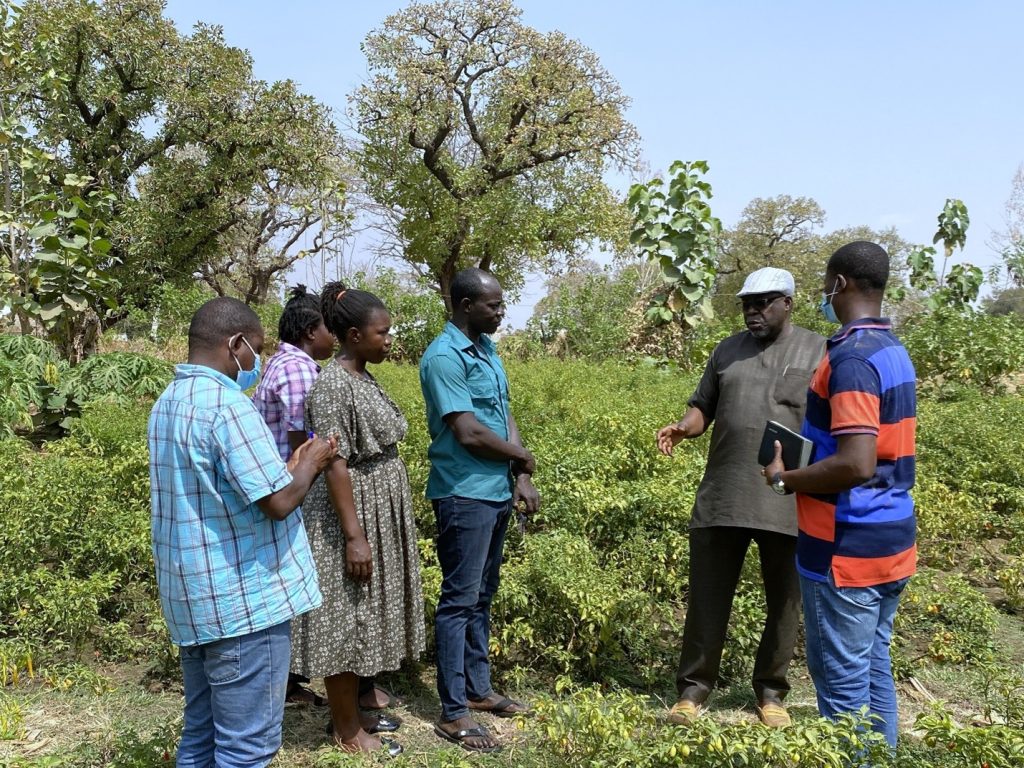
The Executive Director of NABOCADO, Dr. Joseph Ayembilla, along with several staff members, conducted a working visit to the farm of Emmanuel, a beneficiary of the Professionalization of Small Scale Farming (PROSSFA) project.
This visit follows a successful training and exchange learning trip to Uganda in August 2024 and is part of ongoing monitoring efforts. The aim is to provide guidance and ensure that young farmers effectively apply the knowledge they have gained through the Ghana-Germany-Uganda partnership cooperation program.
Emmanuel, a dedicated catfish farmer, is one of 20 youth farmers selected for the PROSSFA project. The initiative aims to enhance their skills and expertise, empowering them to view agriculture as a viable business that creates sustainable jobs and income.
During the visit, the team engaged in discussions on how to standardize Emmanuel’s farm practices, focusing on infrastructure, scalability, record keeping, and strategies to enhance productivity in fish farming.
Dr. Ayembilla expressed his appreciation for Emmanuel’s efforts and offered valuable insights into areas for improvement. He emphasized that NABOCADO is committed to providing the necessary support to Emmanuel and other passionate farmers, helping them align their businesses with the objectives of the PROSSFA project. Currently, Emmanuel operates a comprehensive catfish business that includes a hatchery, sales of fingerlings, a production pond, and a grilling point in Navrongo.
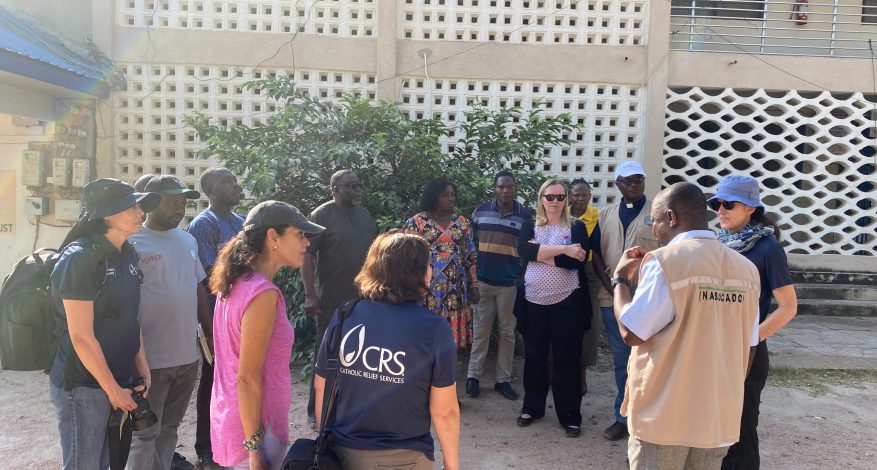
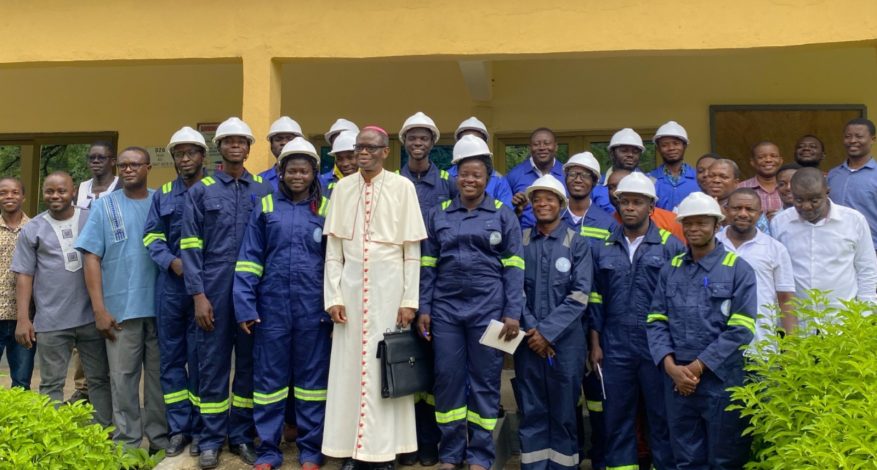
Most Rev. Brendan Cahill, Bishop of Victoria, Texas, a board member of CRS, and a delegation of senior leadership from CRS have completed a three-day visit to the Navrongo-Bolgatanga Catholic Diocese as part of the “Journey of Hope” initiative. This visit aimed to highlight the fruitful collaboration between NABOCADO and Catholic Relief Services (CRS) in implementing meaningful interventions that benefit local communities.
The delegation, accompanied by NABOCADO staff, visited various intervention sites, including the Tarikom Asylum Seekers Reception and Settlement Center, where they saw firsthand the positive changes brought about by their joint efforts.
At the center, the delegation interacted with asylum seekers, who shared their inspiring stories about how NABOCADO and CRS initiatives, particularly the CRS EMPOWER project’s Multipurpose Cash Assistance program, have significantly improved their lives since arriving. The visit also included a tour of a local primary school that has been beautifully renovated thanks to the support from both organizations, highlighting the tangible impact of their collaboration on education and community well-being. On the second day, the team visited project sites in the North East region, engaging with farmers to discuss the positive effects of the interventions in their lives.
The delegation included Sarita Hanley, Founding Member of Building One Community and Member of the CRS Foundation Board; Shannon Senefeld, Senior Vice President of Overseas Operations; Sofia Larkin, CRS Regional Development Director for Texas and Member of the Hispanic Development Unit; Rebekah Lemke, CRS Deputy Content Director for Multimedia for Charitable Giving; and Laura Elizabeth Pohl, CRS Multimedia Editor. They were accompanied by the Regional Director for CRS West Africa, Jennifer Overton.
The “Journey of Hope” emphasizes the vital role of partnerships in fostering community development, and both NABOCADO and CRS are committed to continuing their collaboration to create more opportunities for support and growth in the future.
There are plans for the Navrongo-Bolgatanga Catholic Diocesan Development Organisation (NABOCADO), a faith-based organisation, to establish a Farmer Training School in the Diocese.
The school, dubbed “Institute for Sustainable Farming”, will serve as a training ground for people interested in farming and have passion in farm enterprises and businesses to enrich their knowledge with practical skills in the agriculture production value chain.
The school intends, among other things, to empower the people to view farming as a business, create jobs for themselves and others as well as contribute to adapt to climate change impacts and enhance food security, improve livelihoods of rural communities and ensure sustainable farming practices.
Mr Dominic Avea, Director in charge of Livelihood and Advocacy Directorate of NABOCADO, made these known on the sidelines of a training workshop organised by NABOCADO for selected youth farmers within the Diocese.
The Diocese comprise two regions, thus, Upper East and North East Regions, providing 30 beneficiaries in practical training in pig and catfish farming as part of a project dubbed “Ghana, Germany and Uganda partnership cooperation programme”, being implemented by NABOCADO in collaboration with the Caritas of Uganda and Germany.
The pilot project also comprised of exchange learning visits of the beneficiaries to partner organisations and countries to help the youth gain practical knowledge and skills in the agriculture value chain. Mr Avea explained that the training was a pilot and the results from it would inform future training and planning.
Speaking at the opening of the five day training on piggery at Pusu-Namongo in the Talensi District, The Most Reverend Alfred Agyenta, Bishop of the Catholic Diocese of Navrongo-Bolgatanga, said the project sought to empower young people with practical skills to venture into agriculture activities particularly piggery and catfish farming.
The Bishop said the increasing rate of unemployment was creating frustration among young people and there was the need to complement government’s efforts to provide alternative employment opportunities for the people.
“The project seeks to address the fundamental problem of unemployment in Ghana but at the same time we are ensuring that the young people live dignified lives and so we appeal to the government and other partners, including the private sector to create more opportunities for young people to empower them economically,” he said.
Dr Joseph Bangu, Director of Good Governance, Justice and Peace, NABOCADO, said the Catholic Church was not only concerned about the spiritual growth of the people but was leveraging opportunities to empower communities socially, economically and politically. He said over the years the Church, through NABOCADO had provided education, health, livelihood and peace interventions to many hard-to-reach communities within the Diocese and called for collective efforts to improve living standards of vulnerable people.
The beneficiaries thanked NABOCADO and its partners for the intervention and noted that it would help them to improve production and pledged to train their colleagues in their communities for the project to achieve maximum impact.
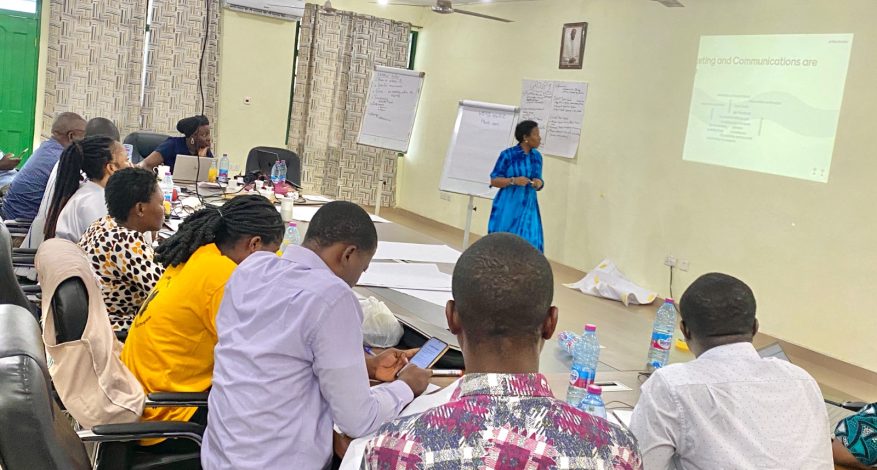
Staff of Navrongo-Bolgatanga Catholic Diocesan Development Organization, NABOCADO have received capacity building in fundraising and Communications in emergency response and project implementation.
This a continuation of our partnership with CRS EMPOWER WARO with a five-day capacity building for our staff in two critical areas of our operations- Resource Mobilization and Communication.
The training which held under the EMPOWER WARO funded “Empowering Partner Organizations Working in Emergency Response” (EMPOWER) project seeks to equip NABOCADO with skills and strategic expertise in Resource Mobilization and Strategic Communication.
Under the facilitation of Nanette GENDRY, Regional Communications Manager at CRS WARO and Astrid AGOSSOU Business Development Technical Advisor for CRS EMPOWER WARO, NABOCADO will design a Communication Strategy Workplan which will help in our stakeholder and partner engagements.
Topics discussed included proposal writing, fundraising, stakeholder engagement, photography among others.
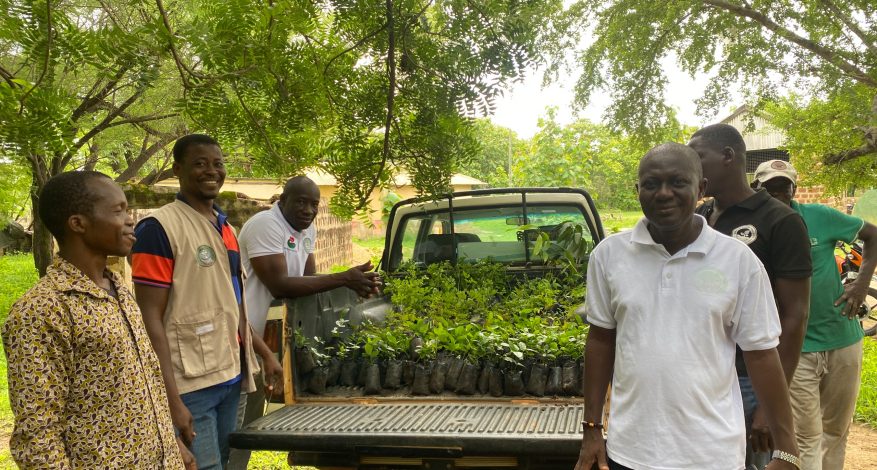
Trees play a crucial role in mitigating the effects of climate change.
As part of the implementation of the Community Climate Adaptation Actions Plans (CAAPs), NABOCADO is facilitating the acquisition and distribution of Tree Seedlings to communities under the Strengthening of Smallholder Farmers Resilience Against Climate Change (SCRAS) project funded by Misereor of Germany.
This forms part of community-led actions toward creating a more sustainable and resilient environment.
We are grateful for the support of the various districts Forestry Department for their partnership and the dedication of the communities in taking action to address climate change. Together, we can make a difference and create a better future for all.
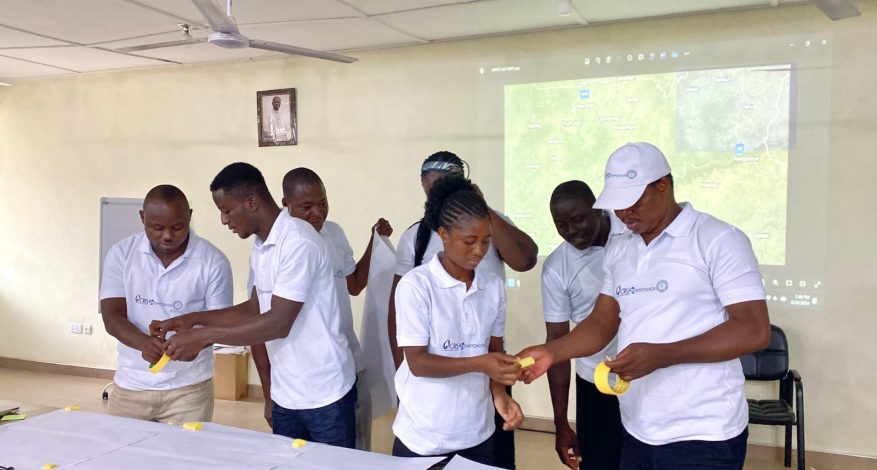
Selected Staff of NABOCADO have been through a five-day capacity building workshop on Emergency Response Preparedness.
The training which forms part of the Empowering Partner Organizations Working in Emergency Response, EMPOWER project funded by CRS EMPOWER West Africa Regional Office (WARO), aims to build staff and the NABOCADO’s capacity in planning and execution of emergency activities.
Staff are also leveraging the knowledge gained from the training in developing standard operating procedures (SOPs) and guidelines on emergency response which will help NABOCADO improve its Coordination, Communication, MEAL, among other critical areas.
Making a statement to open the session on Monday, 24th June 2024 in Bolgatanga, the Human Development Coordinator of NABOCADO, Dr Joseph Ayembilla urged staff to participate effectively and attentively in all activities of the training.
He said “ This is another important and critical training we are getting from the EMPOWER project. I am very pleased with trainings that CRS have facilitated and I believe it will go a long way to ensure we do our work in emergencies situations with appropriate care and professionalism.”
The workshop is being facilitated by Madgestan Ngueadoum, Advisor on Programme Quality at CRS West Africa Regional Office, WARO and supported by Akanpabadai Timothy Amang-bey, CRS-GHANA head of Ofice, Tamale.
The Bishop of the Navrongo-Bolgatanga Catholic Diocese, Most Rev. Alfred Agyenta, has assured the newly appointed Upper East Regional Minister, Hafiz Bin Salih, of his unflinching support in ensuring the development, peace, and security of the region.
During a courtesy call on Friday, 24th May 2024 at the Catholic Bishop Secretariat in Bolgatanga, His Lordship Agyenta stated that the Catholic Church and his office will continue to support all government efforts in education, health, livelihood empowerment, peace, and security.
“We will continue to collaborate and will not hesitate to reach out to the minister and all other stakeholders to partner on common issues for solutions,” the Bishop said.
He emphasized the Church’s commitment to working with the minister and continuing the collaboration that was established with his predecessor. “The collaboration that we gave to your predecessor, we will do same with you. You have heard the various interventions that we are doing. We are looking forward to collaborating a little more. We have always made it clear that our doors are open and if there is anything, we will reach out to you.” He stated.
The courtesy call, which took place at the Diocesan Secretariat, allowed the two leaders to discuss pertinent issues concerning the development of the Upper East Region, including peace and security. The Bishop expressed his enthusiasm and readiness to help tackle the protracted ethnic and chieftaincy disputes that have plagued the region.
In response, the newly transferred Upper East Regional Minister, Hafiz Bin Salih, praised the Catholic Church for its decades of assistance to governments and communities, particularly in health and education for rural communities.
He highlighted the Bishop and the Catholic Church in the region he will rely on to fulfill his mandate as minister. “Coming to the Upper East region, the Bishop is one of the people that I am relying upon to be able to discharge the mandate given to me by the President,” Salih said. He acknowledged the significant contributions of the Catholic Church to human resource development and expressed his commitment to improving the relationship between the Church and the Upper East Regional Coordinating Council.