About
Justice, Peace and Humanitarian Response Programme
The JPHR Directorate's strategic goal is to promote equitable access to justice, foster peaceful co-existence, and provide timely, effective, and dignified humanitarian assistance to populations affected by disasters, conflicts, and displacement. With deep community roots, strong operational capacity, and trusted relationships with local and international partners, the Directorate is a leading humanitarian actor in Ghana.
Staffing
The Justice, Peace and Humanitarian Response (JPHR) Directorate is staffed with 19 dedicated professionals who bring diverse expertise and technical skills to drive its vision. The team comprises a Programme Director, Programme Managers, Project Officers, Case Officers, Caregivers, as well as essential support personnel including Drivers, Security staff, and Cleaners. Together, they ensure the effective design, implementation, and delivery of the Directorate's humanitarian, peacebuilding, and protection interventions.
Thematic Priority Areas
Humanitarian Emergency Response
- Has over 20 years of experience in delivering coordinated, multi-sector emergency assistance to victims of disasters, violent conflicts, and the impacts of climate change.
- Leverages diocesan facilities, parish structures, and partnerships with state and non-state humanitarian actors to ensure rapid and effective response.
- Demonstrates proven credibility in humanitarian programming, having implemented projects funded by reputable partners such as CRS, MISEREOR, UNHCR, and the European Union.
Social Cohesion and Peacebuilding
- Builds the capacity of District Assemblies to integrate non-violent approaches to peacebuilding into their Medium-Term Development Plans, ensuring ownership and sustainability of peace efforts by local authorities.
- Facilitates dialogue, mediation, trauma healing and psychosocial support for conflict-exposed persons and communities.
- Builds, strengthens and sustains local peace structures such as Community Peace Agents, School Peace Clubs, Neighborhood Watch Committees, and Border Monitors.
- Establishes and supports broader peacebuilding frameworks, including Justice and Peace Committees in Parishes, the Traditional Mediation Teams for Doba-Kandiga and Yunyoo, the Upper East Regional Interfaith Advocacy Network, and Regional Strategic Stakeholders Forums in the Upper East and North East Regions.
- Promotes the use of culturally aligned practices to enhance acceptance and sustainability of peacebuilding interventions.
- Provides sensitization for border communities and strengthens their resilience against the threats of violent extremism.
Protection and Safeguarding
- Implements NABOCADO's safeguarding policy to protect children and vulnerable adults from exploitation and abuse.
- Operates two child care centres:
- Mother of Mercy Babies Home (0–3 years) for abandoned and vulnerable infants.
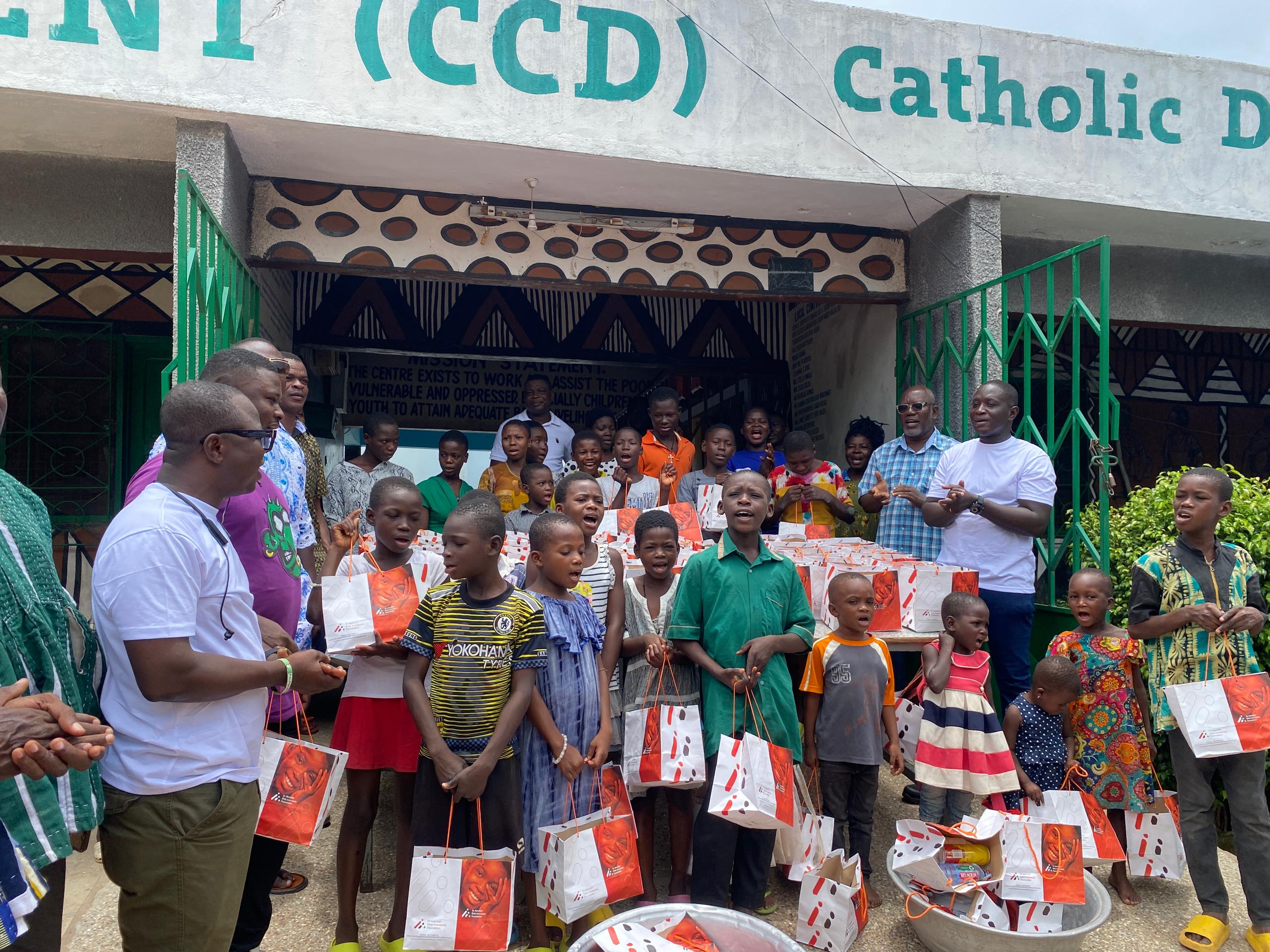
- Centre for Child Development (4–18 years) for street-connected children, survivors of abuse, and trafficked children.
- Provides residential and home based care to needy children and vulnerable youth in the area of education, healthcare, vocational skills and shelter.
Good Governance, Research, and Advocacy
- Promotes citizen participation in governance and service delivery.
- Conducts research and policy advocacy on justice, peace, humanitarian response and environmental governance.
- Strengthens local committees to demand accountability from duty-bearers.
- Builds legitimacy through collaborations with state institutions, civil society platforms, and international partners, including the CRS, MISEREOR, UNHCR, Kindermissionswerk, European Union and Caritas networks.
Humanitarian Response Experience and Achievements
NABOCADO has an extensive record of delivering timely and effective humanitarian interventions in partnership with leading donors and agencies.
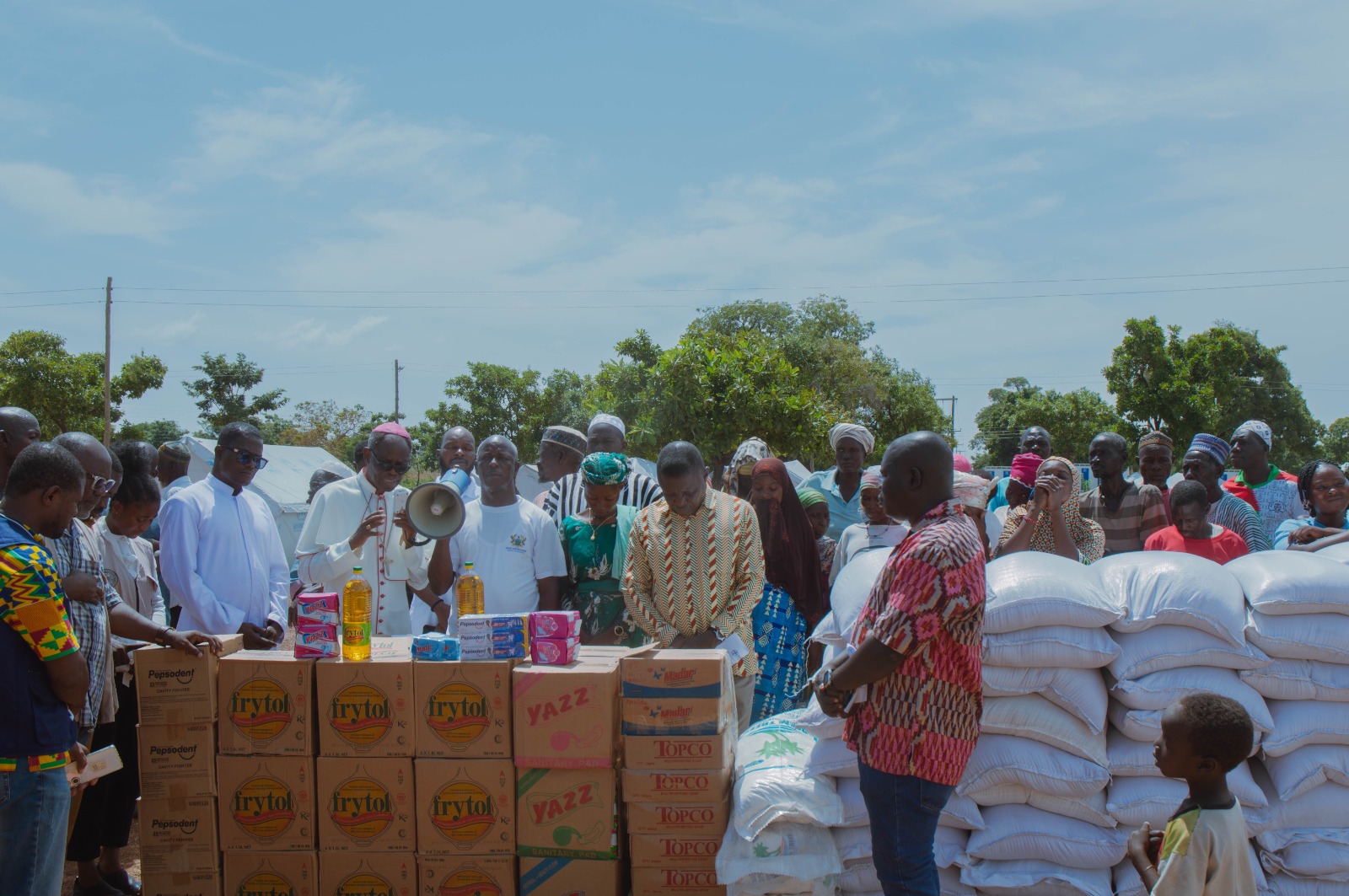
With funding from the CRS Ghana, NABOCADO supported 500 households across three (3) most affected districts namely Bawku West, West Mamprusi and Mamprugu-Moagduri with food aid, shelter materials, and WASH kits.
With funding from CRS Ghana, NABOCADO in line with its vision of promoting a dignified life for all people, supported 300 conflict-affected households in the Doba and Kandiga communities to reconstruct their homes and restore stability.
With funding from CRS Ghana, NABOCADO provided food, WASH kits, and cash to 420 refugee households and host families in seven (7) host communities in the Upper East Region.
With funding from the UNHCR, NABOCADO facilitated access to education, healthcare, food and nutrition, livelihood support and protection for over 3,280 Asylum Seekers in the Tarikom Reception/Settlement Centre and in 27 host communities across the Diocese. Through this intervention, NABOCADO conducted CBE and preparatory classes that resulted in smooth transitioning of over 200 asylum seeker children into the Tarikom Primary School.
With funding from CRS Ghana, NABOCADO facilitated the rehabilitation and furnishing of 2 No. 3 Unit Classroom blocks at the Tarikom Primary School creating a safe and conducive learning environment for children of Asylum Seekers and host communities. The provision of modern learning facilities significantly boosted enrolment, increasing from 216 in September 2023 to over 682 by July 2025.
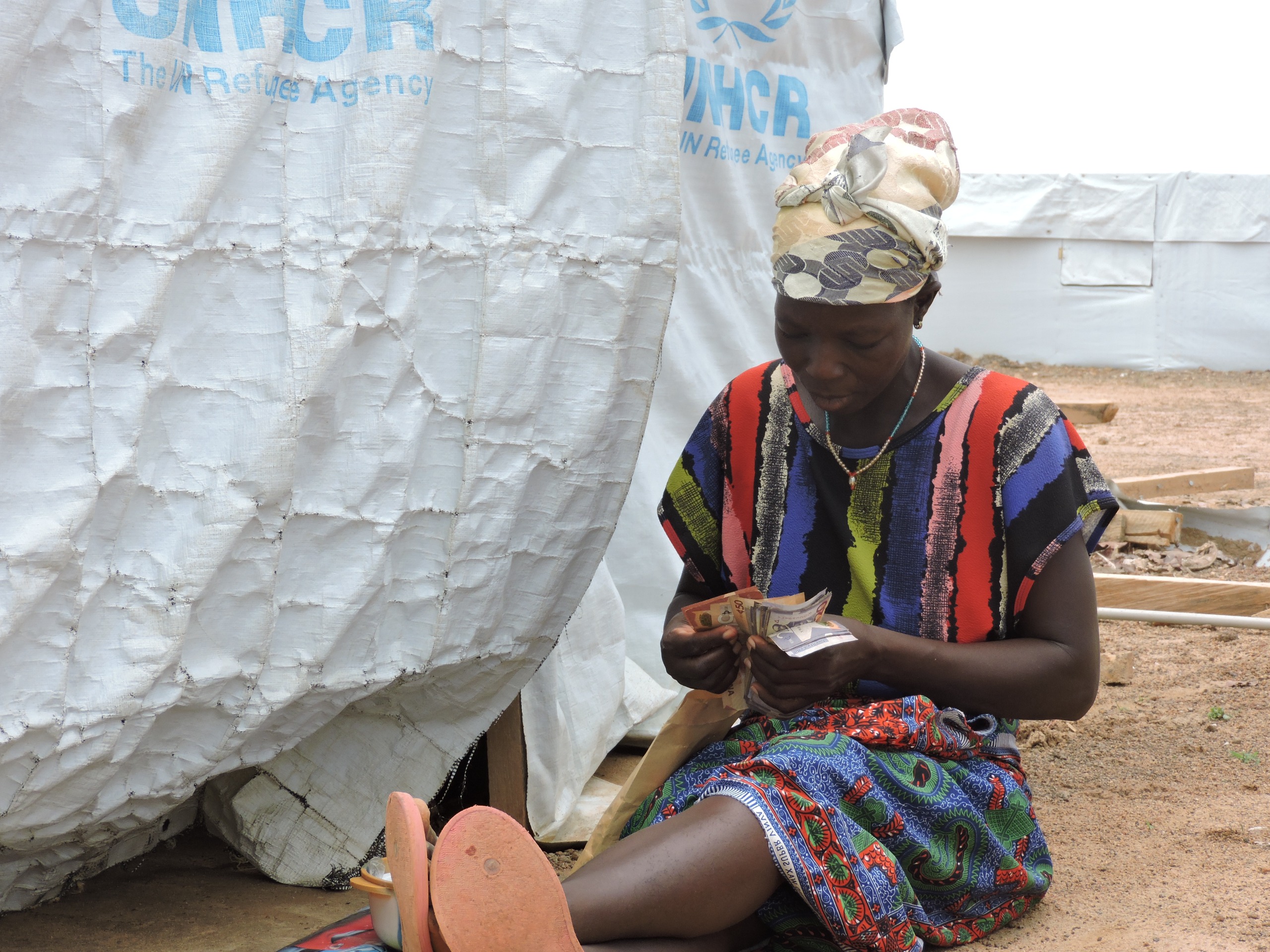
With funding from CRS EMPOWER, NABOCADO provided multi-purpose cash assistance to 330 refugee households at the Tarikom Reception/Settlement Center, enabling them to meet their basic survival needs with dignity and the freedom of choice in its use.
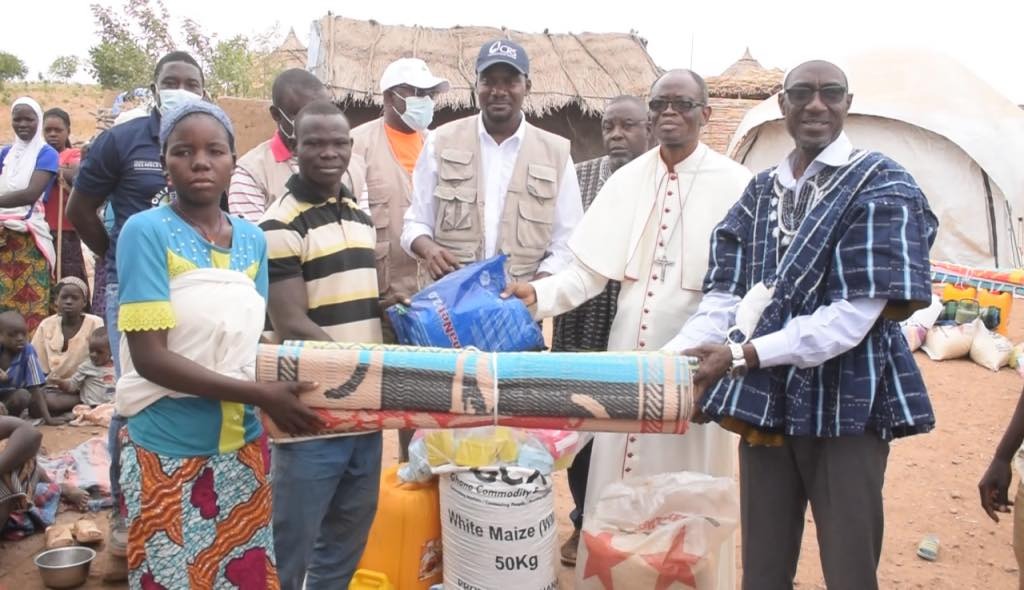
As part of the Promoting Peace in Ghana and the Sahel Region Project under the Sahel Peace Initiative (SPI 4.0), the Apostolic Nuncio to Ghana, H.E. Julien Kaboré, together with the Bishop of the Catholic Diocese of Navrongo-Bolgatanga, Most Rev. Alfred Agyenta donated food items to 65 newly arrived Burkinabe refugee households at the Tarikom Reception Centre.
Social Cohesion & Peacebuilding - Detailed Capacity Statement
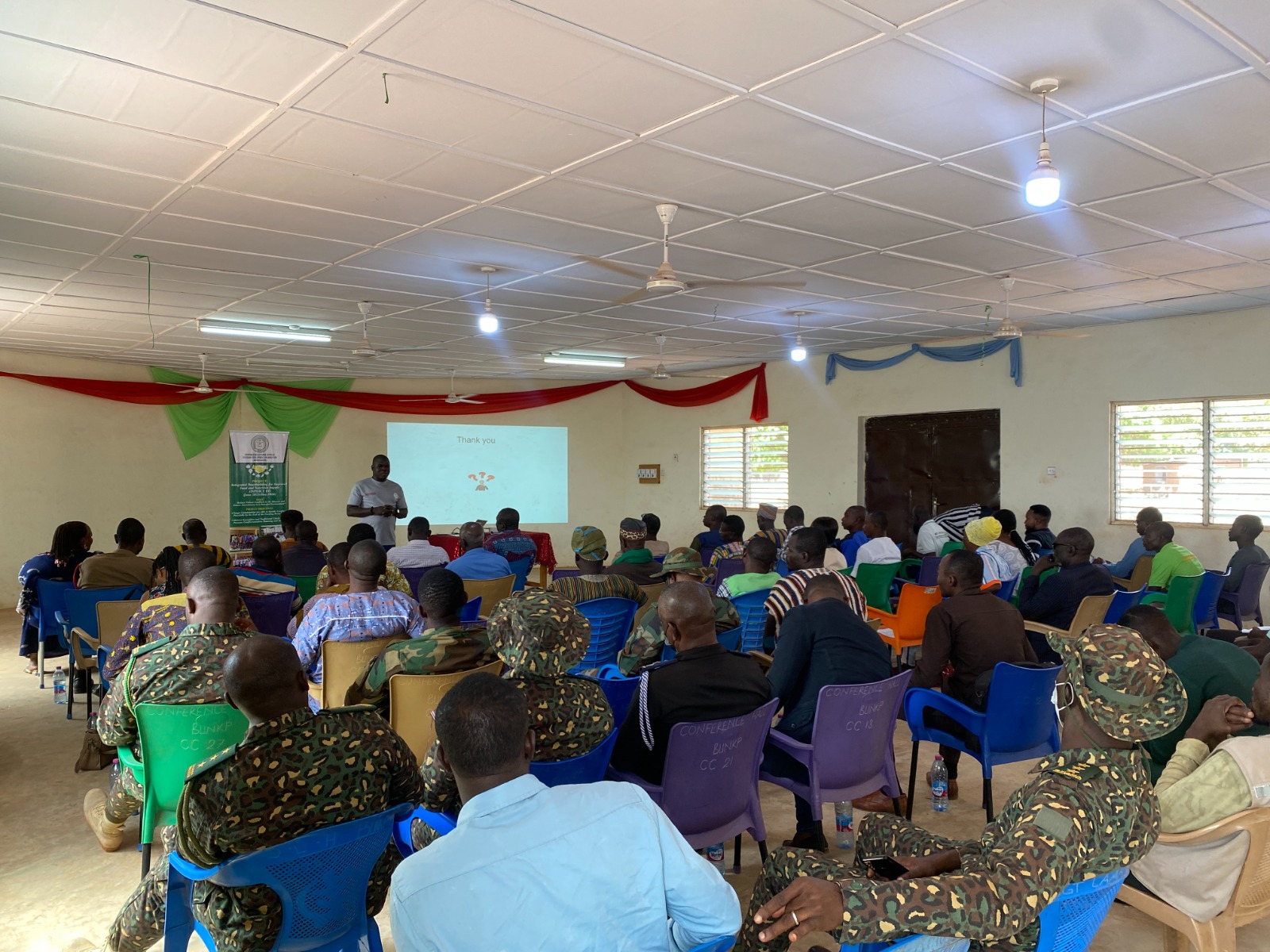
NABOCADO's Social Cohesion & Peacebuilding priority aims to reduce violent conflict, rebuild trust, and create durable community-level structures that prevent recurrence of violence and displacement. The Directorate pursues a holistic, community-centred model that combines dialogue and mediation with livelihoods, youth engagement, civic governance, and local institution-building to address both the immediate drivers and root causes of conflicts.
Flagship Projects
Since 2017, NABOCADO, with support from Misereor Germany, has been implementing the phased cycled, Integrated Peacebuilding for Improved Food and Nutrition Supply (INPEACE) project across 20 communities in Bawku Municipal, Bunkpurugu-Nakpanduri, and Yunyoo-Nasuan Districts, directly benefiting over 46,000 people. The current phase runs from June 2023 to May 2026.
Since September 2022, NABOCADO has been implementing the Promoting Peace in Ghana and the Sahel Region Project under the Sahel Peace Initiative (SPI), with support from CRS through the Catholic Bishops Conference. The initiative seeks to position the Catholic Church as a leading actor in local peacebuilding while reducing opportunities for violent extremism by building resilient and cohesive communities in conflict-prone areas.
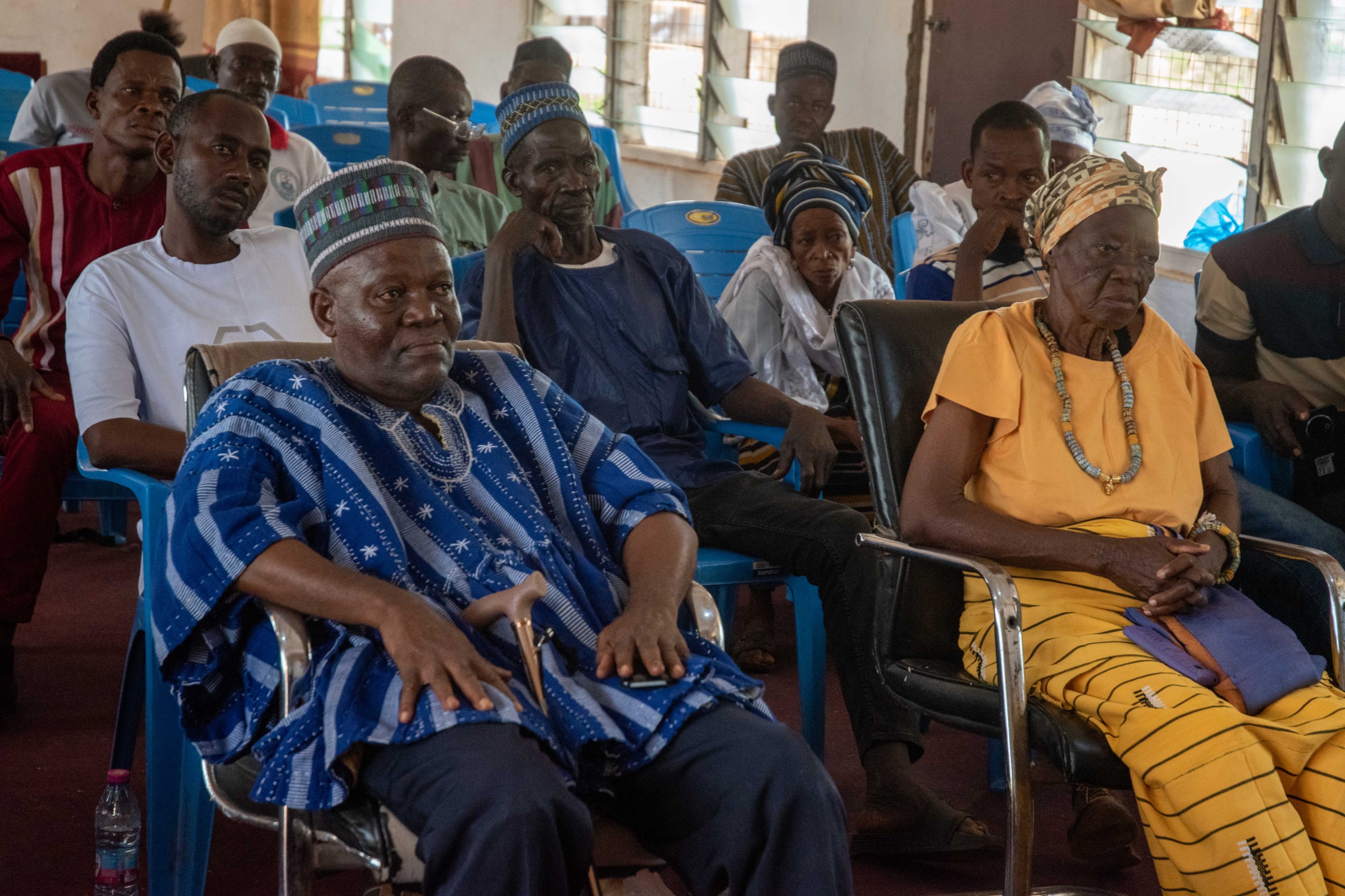
From July 2022 to September 2023, NABOCADO, with funding from the European Union through COGINTA Ghana, implemented the Strengthening Border Communities' Resilience for Violence Prevention Project. Spanning 34 communities across four border districts, the project directly engaged local populations in efforts to strengthen cohesion, inclusion, and security.
Since December 2024, NABOCADO has been implementing the PEACE-PROTECT Project with funding from the European Union through COGINTA Ghana. The project directly benefits more than 15,700 residents, focusing on strengthening collaboration between traditional authorities, local security actors, and community members.
NABOCADO Approaches
NABOCADO brings together traditional authorities, church leaders, and community members to combine modern dialogue techniques with culturally legitimate rituals (e.g., blood-burial ceremonies, land-cleansing, and non-denominational prayers). This hybrid approach ensures reconciliation is both accepted and enduring.
NABOCADO promotes non-violent strategies as the cornerstone of sustainable peace. This includes building the capacity of District Assemblies to integrate non-violent approaches into their Medium-Term Development Plans, training leaders in mediation and trauma healing, and fostering dialogue over confrontation.
NABOCADO establishes and strengthens permanent grassroots peace structures such as Community Peace Agents, Justice & Peace Committees, Neighborhood Watch Committees, Border Monitors, and School Peace Clubs. These groups are trained, linked to district stakeholders, and supported through mentoring.
NABOCADO deliberately links peacebuilding with livelihood creation, entrepreneurship, and economic cooperation. By promoting joint business ventures, vocational training, and market rehabilitation, the organization turns peace into a practical asset that improves daily life.
NABOCADO facilitates dialogue that moves beyond short-term truces to negotiated, and binding commitments. This includes the development and signing of community-specific Memoranda of Understanding (MoUs) between communities and relevant authorities.
To reduce youth vulnerability to recruitment by violent groups, NABOCADO provides capacity to School Peace Clubs and alternative livelihood pathways to youth such as the KAYAPORT skills training that benefitted over 450 young girls in the West Mamprusi Municipality.