
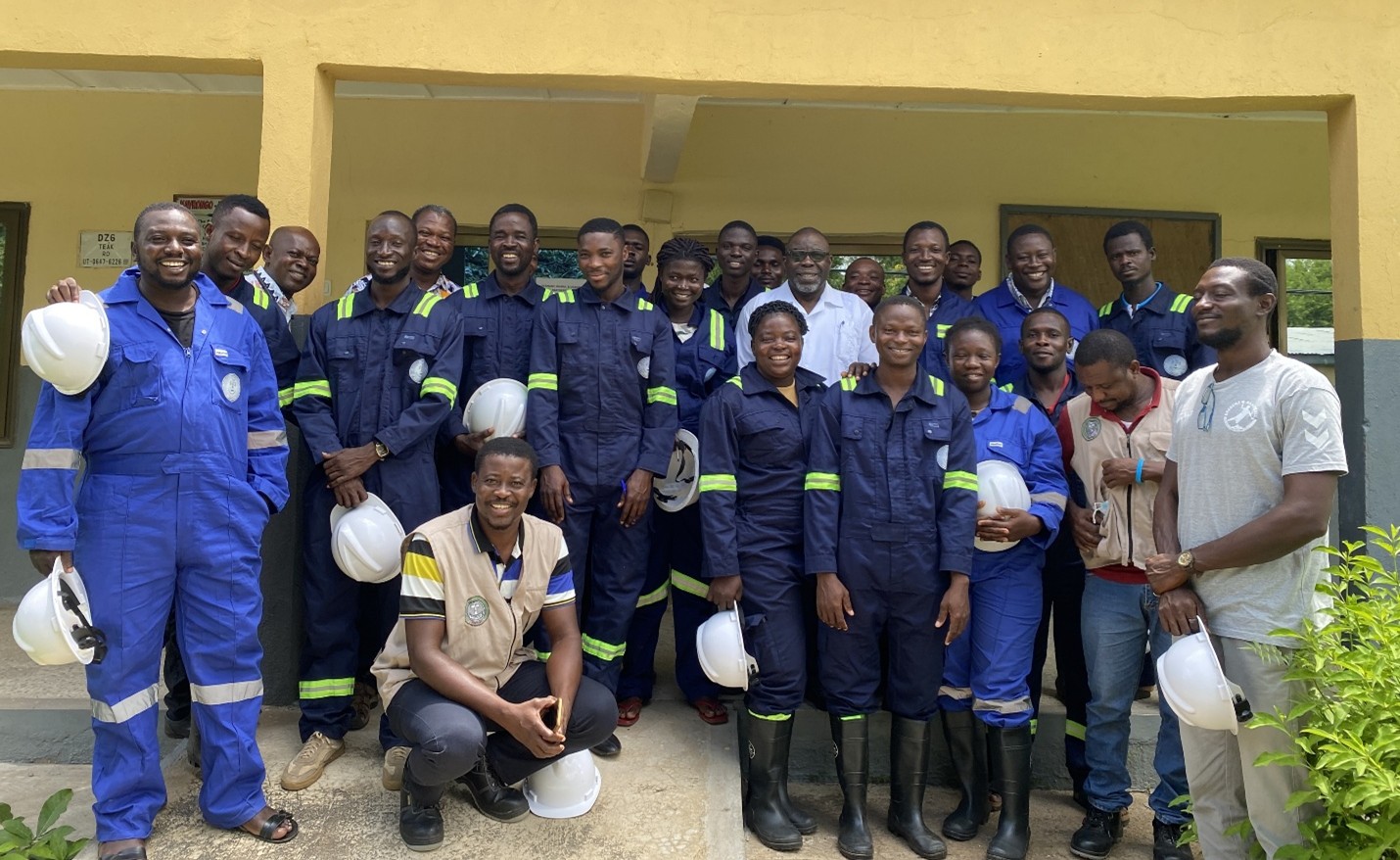
Key Pillars of Our Enterprise & Skills Development Work
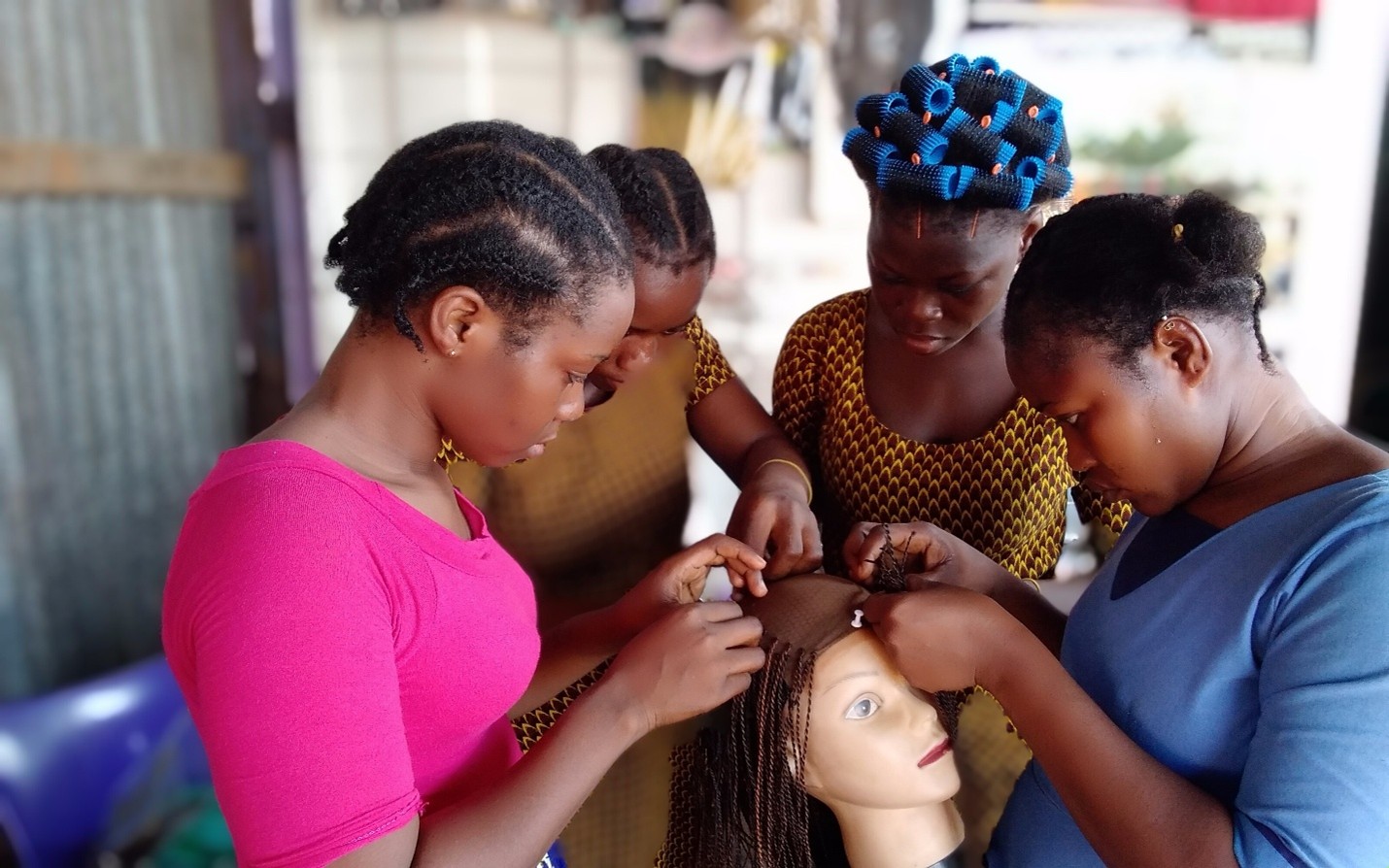
1. Vocational & Technical Skills Training
Kayayie Livelihood Empowerment (KAYAPORT Project)
Through the Providing Livelihood Opportunities for Kayayie Porters (KAYAPORT) project, funded by CRS Ghana, NABOCADO supported 460 young women and girls—returned and potential Kayayie migrants—across 10 communities in the West Mamprusi Municipality. The project equipped participants with basic literacy, financial skills, and a wide range of market-driven vocational competencies, including electrical installation, tilling, smock weaving, hairdressing, fashion design, beading, soap making, and makeup artistry. Delivered through a mentorship-based model, the initiative empowered young women to start or strengthen small enterprises, reduce risky migration, and build sustainable livelihoods within their home communities. Practical, market-driven skills including hairdressing, tailoring, electrical installation, smock weaving, tilling, makeup artistry, agro-processing and more.
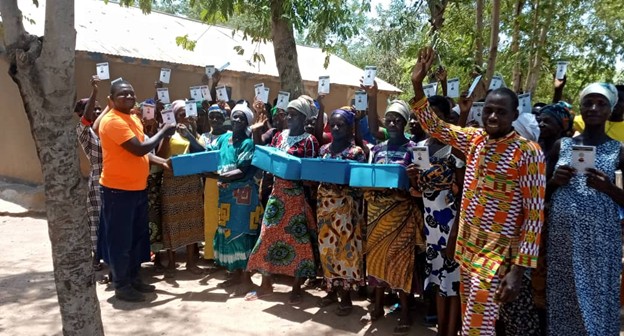
2. SCRAS Project: Women's Enterprise Development & SILC Strengthening
Under the Strengthening of Smallholder Farmers' Resilience Against a Changing Climate (SCRAS) project, NABOCADO train women groups in Savings and Internal Lending Communities (SILC) and enterprise development skills across 26 parishes. More than 486 women benefited from training in business planning, financial literacy, digital skills, leadership, and entrepreneurship. These trainings enhanced women's confidence and improved their ability to manage small enterprises, access finance, and explore new business opportunities. Through SILC, women are now saving regularly, expanding small businesses, and improving their household economic resilience.
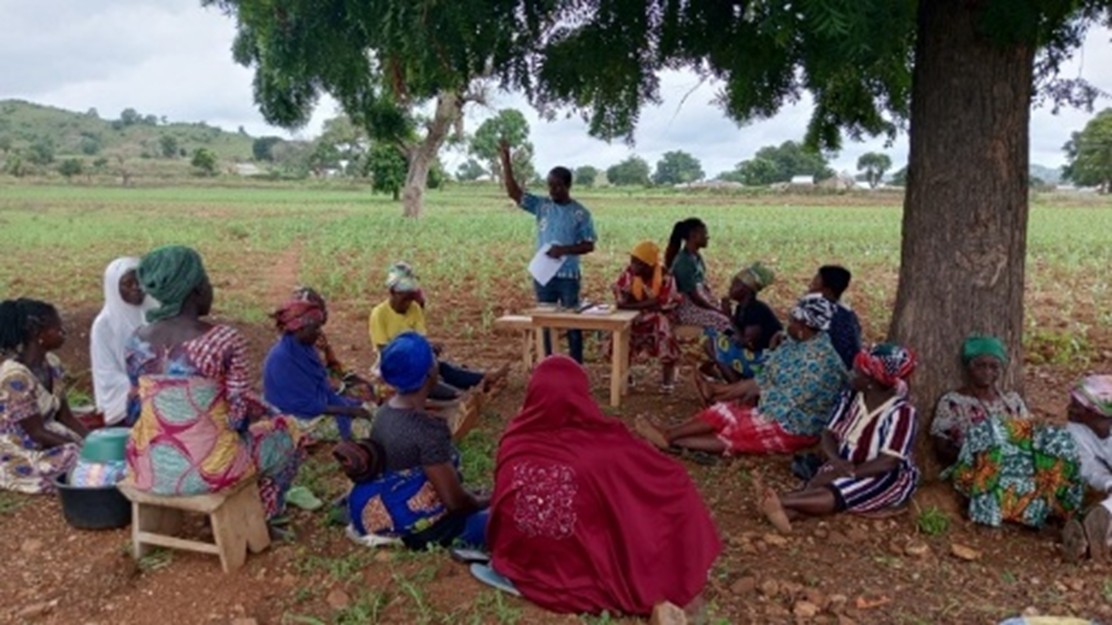
3. Supporting Women to Start and Expand Small Businesses Through SILC Funds
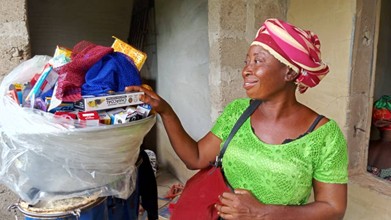
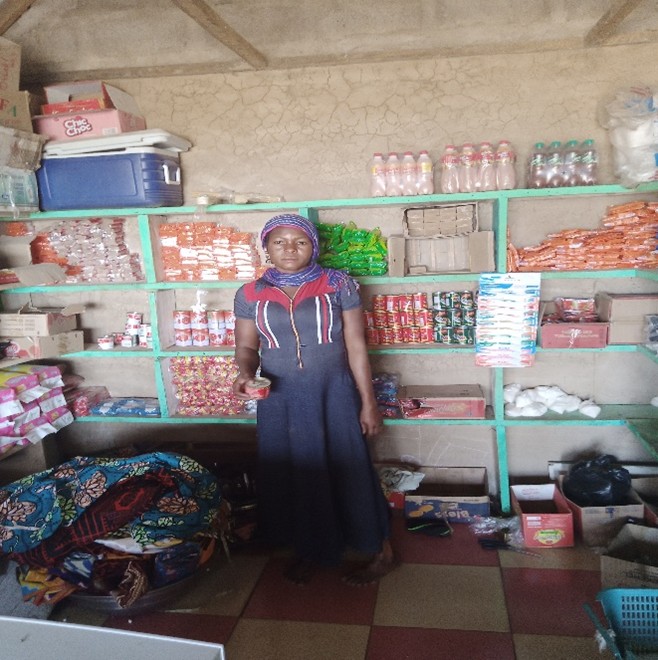
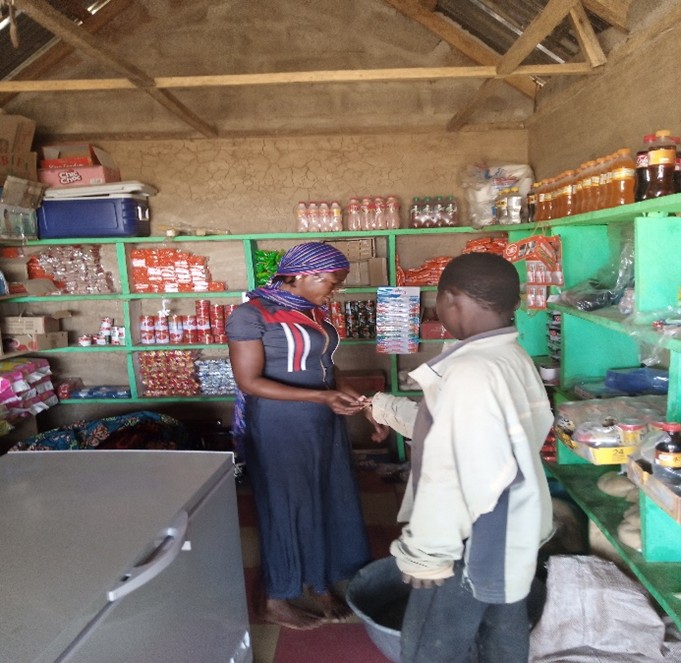
NABOCADO continues to empower women to use their SILC savings and loans to engage in profitable microenterprises. Through training and coaching, 583 SILC members were guided to identify viable business opportunities, prepare simple business plans, access loans, and manage small enterprises effectively. Women are now running businesses such as petty trading, grain banking, shea butter processing, chop bars, tailoring, weaving, hairdressing, and livestock rearing.
5. HAPPY Project – Agribusiness & Youth Skills Development
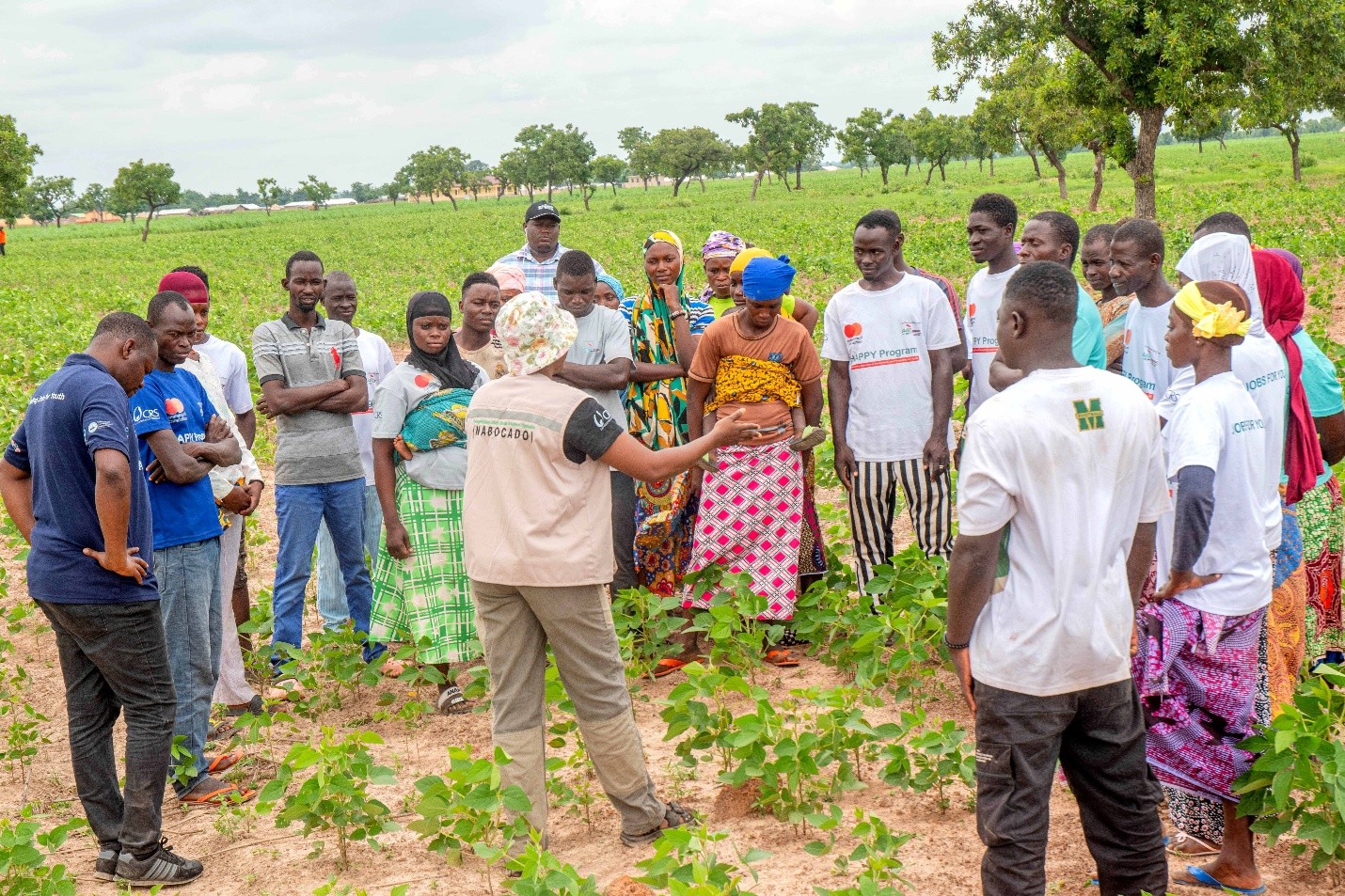
Under CRS Ghana's HAPPY Project, NABOCADO equipped young farmers with practical agribusiness development skills, including enterprise planning, record keeping, and post-harvest handling such as rice parboiling techniques. These trainings have strengthened youth participation in agriculture as a business, enabling them to diversify production, improve product quality, and build viable, profitable livelihood pathways.
6. Enterprise Development Fund (EDF) – Linking Women to Formal Finance (December 2021-February 2022)
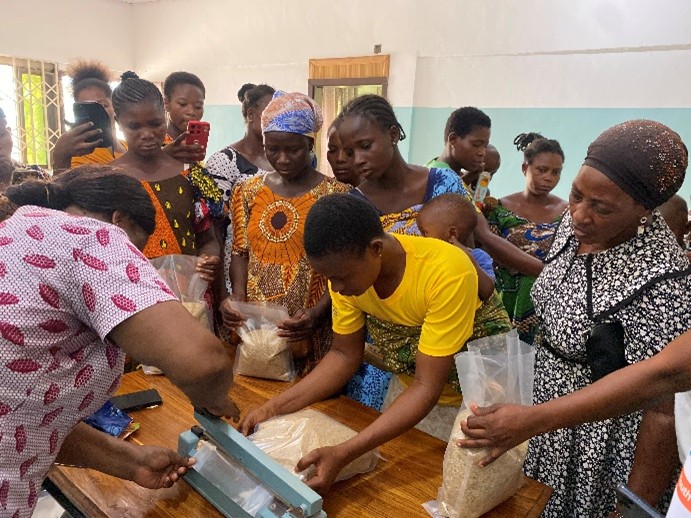
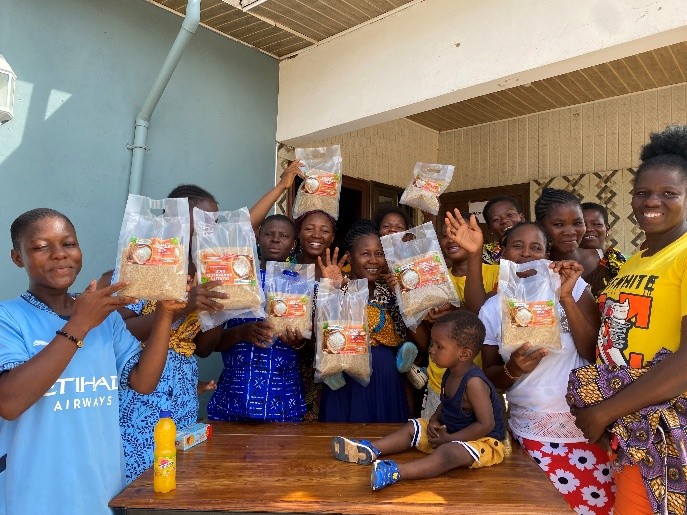
As part of the Enterprise Development Project supported by Hungary Helps, NABOCADO established an Enterprise Development Fund (EDF) with a rural bank to improve women's access to credit. Through this initiative, 81 SILC groups have been linked to the fund and 395 women have received loans to expand their small enterprises. The EDF provides a safe opportunity for women to save surplus income and access additional financing, strengthening their long-term business growth and improving household economic stability.
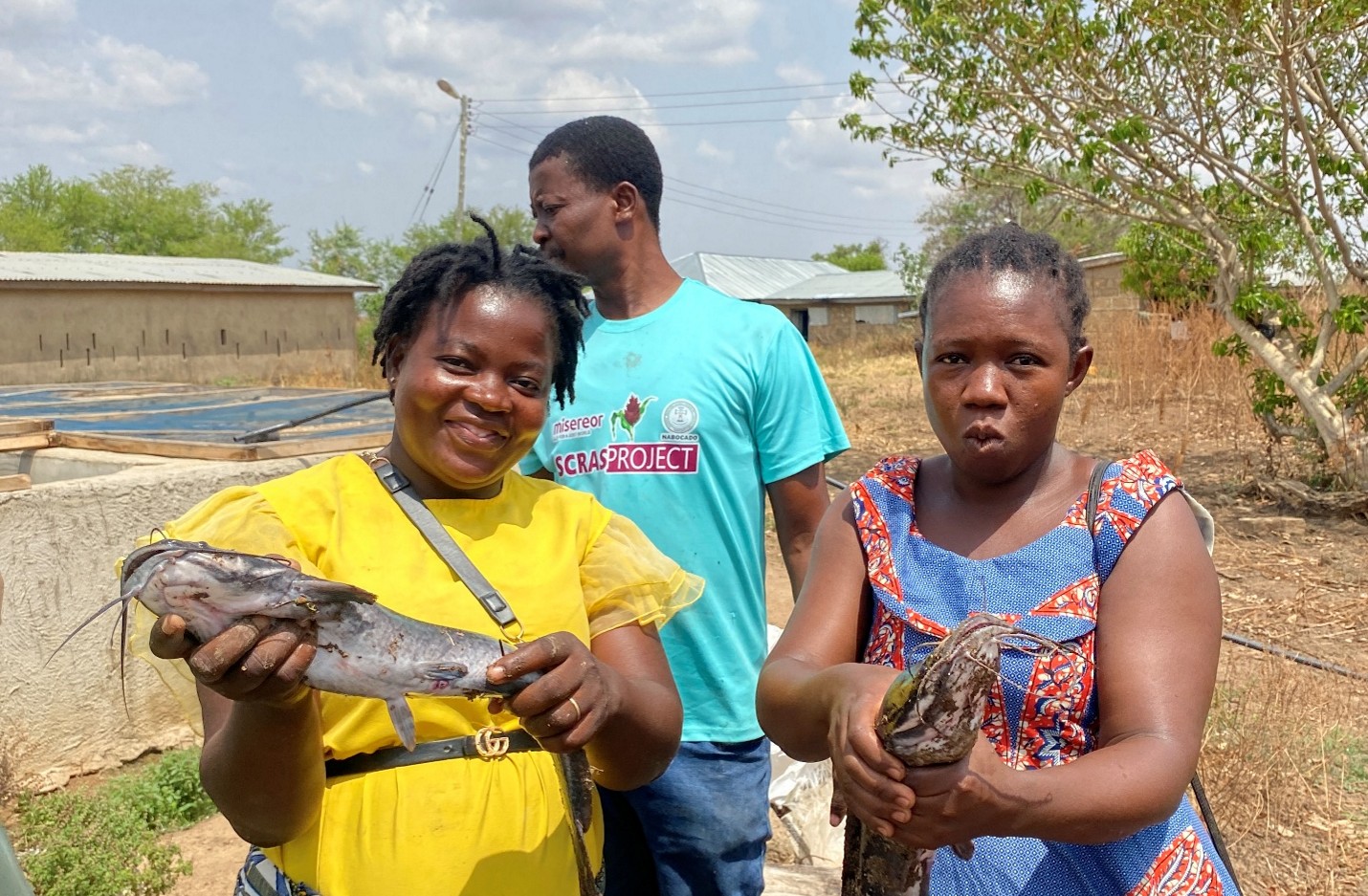
Catfish, Vegetable and Piggery Training for Youth through Professionalization of Smallholder Farming (PROSSFA) project
Under the PROSSFA initiative, NABOCADO—through the Institute for Sustaining Farming—is building the technical and entrepreneurial capacity of young farmers across the Diocese. The project delivers practical, hands-on training in catfish production, piggery, and vegetable farming, enabling youth to improve productivity, strengthen their income streams, and transition into viable agripreneurs. Supported through a partnership between the Catholic Church in Ghana, Uganda, and Germany, the initiative has already trained 50 youth and facilitated international learning exchanges to Uganda and Germany. These exchanges expose participants to innovative and sustainable farming models that they can adapt within their communities. PROSSFA is shaping a new generation of confident, skilled young farmers who are contributing meaningfully to rural economic growth and long-term food security.